
Advanced heart failure fellowship clinical rotations at Tufts Medical Center + Beth Israel Deaconess Medical Center

We have overhauled our curriculum to increase elective time and allow fellows to tailor their experience to their specific interests. The new curriculum is divided into core clinical rotations (40 weeks) and individualized learning tracks (8 weeks).

At the start of the year, each fellow will be paired with a faculty mentor with whom they will develop the plan for their learning track. This plan will include clinical experiences and career enrichment experiences designed around your individual goals.

Core clinical rotations (40 weeks)

  • Inpatient: 12 weeks
  • Outpatient:  12 weeks
  • CCU: 4 weeks
  • HCM/amyloid/cardio-onc/sarcoid: 4 weeks
  • Pulmonary hypertension: 2 weeks
  • Electrophysiology: 2 weeks
  • Cath lab: 4 weeks

Individualized learning tracks (8 weeks, in two 4-week blocks). We encourage you to work with your faculty mentor to design your elective time around the experiences that matter most to you. Some ideas are listed below, but you can customize your own experience.

  • Transplant and immunology track
    • Clinical experience: Waitlist management, donor call, HLA lab, transplant infectious disease
    • Career enrichment experience: Observe organ procurement and transplant surgeries, transplant-related QI/research project, transplant protocol retreat
  • Durable MCS track
    • Clinical experience: VAD clinic, invasive hemodynamic VAD optimizations, VAD implant surgery observation,
    • Career enrichment experience: VAD QI/research project, VAD protocol retreat
  • Cardiogenic shock/temporary MCS track
    • Clinical experience: shock team consults, eCPR participation
    • Career enrichment experience: cardiogenic shock QI/research project, organize MCS case conference
Display title
Curriculum + Structure
Eyebrow
Advanced Heart Failure + Transplant Cardiology Fellowship

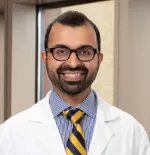
A message from the program director

Gaurav Gulati, MD, MS

Thank you for your interest in the Tufts Medicine Advanced Heart Failure program. Your interest in advanced heart failure training means you already know that heart failure is the most dynamic, intellectually engaging, and emotionally fulfilling cardiology subspecialty. If you're like me, you know there is no other patient population you could imagine working with for the rest of your career. I hope that through this process, you will come to realize something else: that the Tufts Medicine program is the best place to train to be a heart failure cardiologist.

I came to this program as a trainee because I wanted to learn from this group of smart, motivated, caring, and dedicated physicians. I knew they had built a program far bigger than one would expect for the size of the faculty, which meant they had earned the trust of patients and referring cardiologists throughout New England through their hard work and commitment to the mission of patient care. I was honored to join that faculty at the conclusion of my training and am excited to now lead this training program. I think there are several reasons why the Tufts Medicine program is the best place to train:

Unmatched clinical exposure

Because this is only a 1-year fellowship, it is important to have as much exposure to different pathology as possible. We perform over 60 heart transplants annually, more than most other training programs. We use all available mechanical circulatory support devices and manage these patients in our CCU, not the cardiac surgery ICU, so you will learn firsthand when and how to use these devices to manage cardiogenic shock.

Commitment to fellows

All the faculty members are committed to your professional development. At the beginning of your fellowship year, we will meet to pair you with a faculty mentor based on your interests and career goals. We will work with you to structure your elective time around individualized tracks to allow you focus on the things you're passionate about. The shock simulation course is a real gem of the program, giving you hands-on experience with different MCS devices and the opportunity to ask questions and make mistakes. In addition, fellows have protected time to attend weekly lectures, review gross and microscopic specimens with cardiac pathologists, and work directly with heart failure faculty in the cath lab. Finally, because of our connections around the country, we are able to help our graduates find jobs in their preferred geographic area.

People

Heart failure is a multidisciplinary specialty. We cannot do what we do without the help of other medical specialties, APPs, nurse coordinators, social workers, pharmacists, financial coordinators, and countless other team members. The multidisciplinary team at Tufts Medicine has the most dedicated, kind, and supportive people I've ever met. They are ready to welcome you, teach you, and become your lifelong colleagues.

I know that choosing a place to train in what is likely to be your final year of training is a big decision. As you read the information presented here, I hope you find that the Tufts Medicine program is a place where you can thrive. We look forward to meeting you!

Gaurav Gulati, MD, MS
Program Director

Display title
Message from Our Program Director
Eyebrow
Advanced Heart Failure + Transplant Cardiology Fellowship

Train with Boston’s leaders in heart failure + transplant cardiology

The Tufts Medical Center Advanced Heart Failure and Transplant Cardiology Fellowship is a dynamic 12-month program designed to train the next generation of heart failure cardiologists. We pride ourselves in leading the region in heart transplant volume since 2023.

The Tufts Medical Center heart failure program is comprised of a dedicated group of core faculty members, inpatient and outpatient APPs, nurse coordinators, pharmacists, and other multidisciplinary team members who work together to deliver high-quality, compassionate, patient-centered care for some of the sickest patients in the Northeast. Fellows will have the opportunity to manage a wide variety of temporary and durable mechanical circulatory support devices under the supervision of nationally recognized experts. In addition, fellows will learn the intricacies of advanced heart failure therapy evaluation, including clinical evaluation, invasive hemodynamic assessment, cardiopulmonary exercise testing, and multidisciplinary selection meeting presentation. Fellows will also have robust exposure to post-transplant complications, immunosuppression management, chronic left ventricular assist device support, and dedicated subspecialty clinic experiences in hypertrophic cardiomyopathy, sarcoid cardiomyopathy, amyloid cardiomyopathy, and cardio-oncology. Clinical exposure is supplemented by weekly didactics, pathology rounds, and an exciting hands-on cardiogenic shock simulation experience.

Display title
About Our Program
Eyebrow
Advanced Heart Failure + Transplant Cardiology Fellowship
Jump back to top