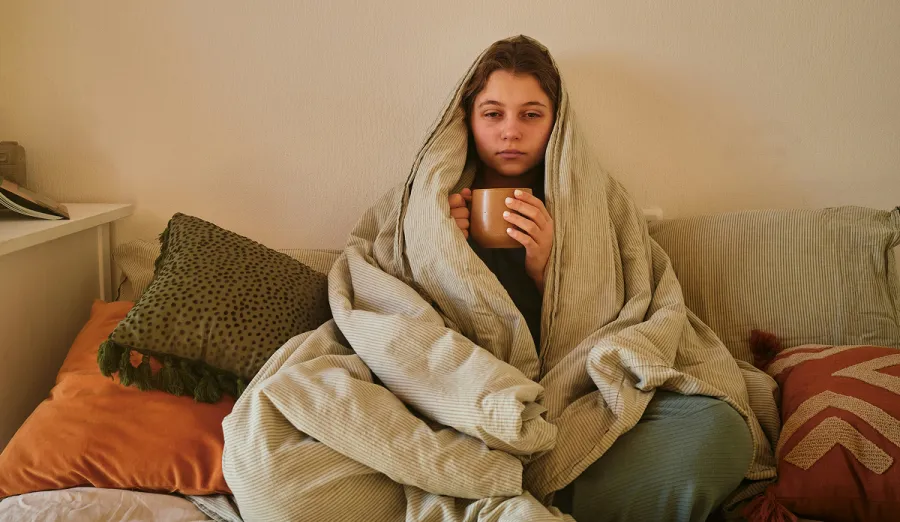
As the days grow shorter and temperatures drop, many of us are spending more time indoors. Unfortunately, this means respiratory viruses have the perfect opportunity to spread. Each year brings new guidance and updated vaccines to help us stay healthy through the fall and winter. Dr. Doron shares what you need to know to prevent, identify and treat common respiratory illnesses—so you can breathe a little easier all season long.
When you or someone you know does inevitably start to sniffle, here’s what you need to know:
Three things to know this fall:
- Last year, in addition to those over 75, it was recommended that anyone with certain risk factors over the age of 60 receive the Respiratory syncytial virus (RSV) vaccine. This year, it's being suggested that anyone over 50 with those risk factors get vaccinated, as well as those over 75 years old.
- The COVID-19 vaccine has been updated again this year to better target circulating strains. Pharmacists at retail pharmacies in Massachusetts can give COVID-19 vaccines to everyone ages five and over. Insurance companies are required to cover the cost of these vaccines. Speak to your doctor or pharmacist for guidance about whether an annual vaccine is right for you.
- An exciting new vaccine option is available for the flu—a self-administered nasal spray delivered to your home.
How do you know if you have the common cold or something that requires treatment? Here’s how to differentiate between the most common respiratory illnesses and what you can do to prevent or treat each:
Common Cold
What is it?
A respiratory infection of your nose, sinuses and throat. Colds are caused by viruses that spread from person to person. You can catch a cold by breathing in air with the virus after someone sneezes or coughs. You can also become sick after touching a surface with virus droplets and then touching your eyes, nose or mouth.
Symptoms
Colds have a range of symptoms that include:
- Runny nose
- Sneezing
- Headache
- Sore throat
- Cough
- Congestion
Symptom duration varies. Some colds last 1–3 days, and others take longer to resolve. It isn't unusual to have a prolonged cough or fatigue after a cold, and it doesn't mean you're still contagious. You're most contagious the first three days when symptoms appear.
Who should get tested/treated?
Since there’s no treatment for the common cold, we don’t recommend that you seek testing to confirm the presence of a common cold virus.
You can speed up your recovery by getting plenty of rest, drinking lots of fluids and treating your symptoms with over-the-counter medications like analgesics and decongestants. Call your doctor if your symptoms worsen or don’t go away within two weeks.
Vaccination
There's no vaccine for the common cold.
Influenza (also known as “flu”)
What is it?
Millions of people in the U.S. get influenza each year. Influenza, or the “flu,” is a contagious respiratory illness caused by the influenza virus. Like the common cold, you can catch it by breathing in the virus after someone sneezes or coughs. You can also become sick after touching a surface with virus droplets and then touching your eyes, nose or mouth.
Symptoms
Flu symptoms usually come on suddenly. Generally, people feel feverish and achy for 3–5 days; other symptoms, like coughing, can last up to 6 weeks. People are the most contagious during the first three days of getting the flu. If you have the flu, you may have some or all of the following symptoms:
- Fever/chills
- Cough
- Sore throat
- Runny/stuffy nose
- Muscle or body aches
- Headaches
- Fatigue
- Vomiting/diarrhea (this is more common in children)
Who should get tested/treated?
Most people get better from the flu without getting medical help or taking medicine. Testing is only recommended for people who are at the highest risk for complications of the flu. Those people should also get treatment.
Talk to your doctor about getting an antiviral prescription. You should start taking it within 72 hours of noticing the symptoms, or sooner, to get the best results.
Vaccination
We recommend everyone six months and older get a flu vaccine every season. The best time to get the vaccine is in September or October, but it’s not too late. It’s especially important for people at higher risk of serious complications from the flu to get vaccinated. Everyone can get the flu, but some people are more likely to develop serious problems. This includes people 65 and older, people with long-term health problems like asthma, diabetes, heart disease, pregnant people and children under five. This year, in 34 states, including Massachusetts, you can get the inhaled flu vaccine shipped to your home to give to yourself or your child.
Respiratory syncytial virus (RSV)
What is it?
RSV is an infection of the lungs and respiratory tract that causes cold-like symptoms. Anyone can get RSV, but severe disease-causing hospitalization is more common in infants and toddlers as well as people over 75 years of age.
Symptoms
Most people with RSV will have mild symptoms. Common symptoms include the following:
- Runny nose
- Decrease in appetite
- Coughing
- Sneezing
- Fever
- Wheezing
RSV can lead to severe infection in infants and premature infants, older adults, people with heart and lung disease, people with weakened immune systems and people who live in nursing homes or long-term care facilities. In severe cases, symptoms can progress to cause pneumonia or bronchiolitis.
Who should get tested/treated?
If your child is very sick, you can get RSV testing at an urgent care center or the emergency room. Testing is rarely recommended in adults and older healthy children because no specific treatment is available. Like the common cold, over-the-counter medications can be used to treat symptoms.
Vaccination
A single dose of the RSV vaccine is recommended for those over the age of 75, those over the age of 50 with certain risk factors and pregnant people (between weeks 32 and 36 of pregnancy) to prevent RSV in their baby.
Newborns whose mothers didn't receive the vaccine during pregnancy, and some high-risk older babies, should receive an injection of an antibody against RSV.
COVID-19
What's it?
COVID-19 is a contagious disease caused by the SARS-CoV-2 virus. Like other illnesses that affect the respiratory system, it is spread through droplets that are exhaled or expelled by an infected person and enter another person’s body by landing in their eyes, nose or mouth. COVID-19 can be spread from someone with minimal or no symptoms.
Symptoms
People most at risk for severe symptoms include adults aged 65 or older, people with certain chronic medical conditions such as lung disease or heart disease, those who are pregnant and those who have compromised immune systems.
COVID-19 symptoms appear 2–14 days after exposure and can range from mild to severe and include the following:
- Fever or chills
- Cough
- Shortness of breath or difficulty breathing
- Sore throat
- Congestion/runny nose
- Fatigue
- Muscle or body aches
- Headache
- Nausea or vomiting
- Diarrhea
Who should get tested/treated?
It’s especially important for those at high risk for severe COVID-19, who are over the age of 65 or with underlying medical conditions that increase their chances of getting extremely sick, to get tested to be started on antiviral treatment, which is more effective the earlier it is given.
There are several types of tests, including ones that can be performed at home.
Vaccination
The COVID-19 vaccine has been updated again this year to better target circulating strains. Pharmacists at retail pharmacies in Massachusetts can give COVID-19 vaccines to everyone ages five and over. Pediatricians are providing vaccine to children over 6 months of age. Insurance companies are required to cover the cost of these vaccines. According to Massachusetts guidelines, the following groups should receive the new formulation of the vaccine:
- Children ages 6-23 months
- Healthy children who have never received a COVID-19 vaccine
- Children who are residents of long-term care facilities
- Adults over the age of 65
- Children and adults with medical conditions associated with a higher risk for severe COVID-19
- People who are pregnant, contemplating pregnancy or have recently been pregnant or who are lactating.
- Healthcare workers
Outside of Massachusetts, guidelines may differ. Speak to your doctor or pharmacist about whether and when to get an updated COVID-19 vaccine and check with your local retail pharmacy for details on availability and insurance coverage.
Pertussis
What's it?
Pertussis, also known as whooping cough, is a highly contagious respiratory illness caused by a bacterial infection that spreads easily from person to person through coughing or sneezing. In Massachusetts, pertussis is most common among children over 10 years old whose protection from their childhood vaccines has lessened over time.
Symptoms
People can spread the bacteria from the start of symptoms and are most contagious for three weeks after the cough begins. Pertussis is similar to a cold early on, but people can develop uncontrolled coughing fits lasting up to 10 weeks. Babies and children who aren't fully vaccinated are more likely to have serious complications.
Pertussis symptoms appear 7 to 10 days after infection and include the following:
- Mild fever
- Runny nose
- Cough
- Red, watery eyes
- Sore throat
- Nasal congestion
Symptoms worsen 1 to 2 weeks after the first symptoms appear and may include:
- Vomiting during or after coughing fits
- Coughing fits that cause a red or blue face and/or a whooping sound
- Extreme fatigue
- Difficulty breathing
- Rib fracture
Infants may struggle to breathe or stop breathing, a symptom called apnea and may not develop a cough at all. Babies can have the following symptoms:
- Apnea
- Pneumonia
- Convulsions
- Encephalopathy (brain disease)
Who should get tested/treated?
Pertussis can be hard to diagnose because it mimics other common respiratory illnesses that generally don't require testing. When cough is severe and prolonged, testing can help pinpoint the cause of your symptoms and avoid more invasive tests. Once the diagnosis is made, antibiotics can be used to decrease the period of contagiousness, but they don't improve symptoms. Close contacts will also be treated with antibiotics to prevent infection.
Vaccination
Vaccines are available for infants, children, adolescents and pregnant women early in the third trimester (between weeks 27 and 36). Like most vaccines, vaccination doesn’t reduce the risk of infection to zero but can help prevent severe disease. A booster vaccine is recommended every 10 years for adults.
The bottom line?
You can’t prevent every illness, but you can reduce your risk and avoid spreading illness to others by washing your hands, getting vaccinated, staying away from people who are sick and covering your cough and sneezes.
Think your sniffles might be something more? Tufts Medicine’s Symptom Checker can help you find out what's causing your symptoms and help you get care.