Last month, the FDA mandated that all mammogram results include information about patients’ breast density. While Tufts Medicine and all other Massachusetts-based clinics have notified patients about breast density since 2015, the new regulations are a good reminder of why patients need this important information.
Jill Steinkeler, MD, Medical Director of Breast Imaging at Lowell General Hospital—a designated Comprehensive Breast Imaging Center accredited by American College of Radiology (ACR), shares what breast density means for your breast health and breast cancer detection.
What is breast density?
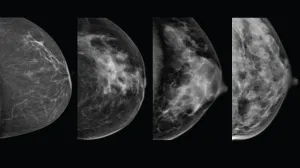
Your breasts are made up of fibrous, glandular and fat tissues. Breast density (also know as breast composition) is a measure of how much fibrous and glandular tissue (often called fibroglandular tissue) compared to fat your breasts contain. Your breast density falls into 1 of 4 categories:
- Almost entirely fatty
- Scattered areas of fibroglandular density
- Heterogeneously dense
- Extremely dense
If your breast composition is in the heterogeneously dense or extremely dense categories, then you have dense breasts. This means that you have more fibroglandular tissue than fatty tissue on your mammogram. Having dense breast tissue is actually very common and is not abnormal. Half of all women have dense breast tissue. Age, body mass and hormones can influence breast density and your breast density can change over time.
How will I know if I have dense breasts?
You can’t tell if your breasts are dense through a physical exam. Your annual mammogram, an X-ray examination used to detect abnormalities in the breast, shows us the composition of your breasts. Your mammogram report and patient result letter will include a notification about your breast composition. You will be notified if you have dense breast tissue or not.
Why does breast density matter?
Dense breasts are very common but are important to understand for two main reasons:
- Women with dense breasts have a somewhat higher risk of developing breast cancer.
- Regardless of breast density, annual mammograms starting at age 40 remain the best way to find breast cancer early and to save lives from breast cancer.
My mammogram reports say I have dense breasts, what should I do?
In some people with dense tissue, other imaging tests in addition to a mammogram may help find cancers. Breast density is part of our risk assessment evaluation that women have at the time of their mammograms at Tufts Medicine. If you are found to be at higher than average risk of breast cancer based on your risk assessment, I recommend that you are referred to our high-risk clinic to determine if you qualify for extra breast cancer screening with breast MRI in addition to annual mammograms.