If you’ve had chickenpox, the virus that caused it is still in your body. It can stay quiet for decades and then, for reasons we don’t always fully understand, become active again. When that happens, it can cause shingles.
Shingles can be painful, uncomfortable, and sometimes much more serious than a rash. The good news is that there’s a vaccine that can significantly lower your risk. So, who should get it? What if you’ve already had shingles? And is it really necessary to get the vaccine if you’re feeling perfectly healthy? Here’s what to know.
First, what exactly is shingles?
“People sometimes think of shingles as just a rash,” says Zoe Weiss, MD, Director of Clinical Microbiology at Tufts Medical Center and Assistant Professor of Medicine and Pathology and Laboratory Medicine at Tufts University School of Medicine. “But it’s actually a virus that affects the nerves, not just the skin, and the pain can be significant and sometimes last long after the rash is gone. That’s why prevention matters.”
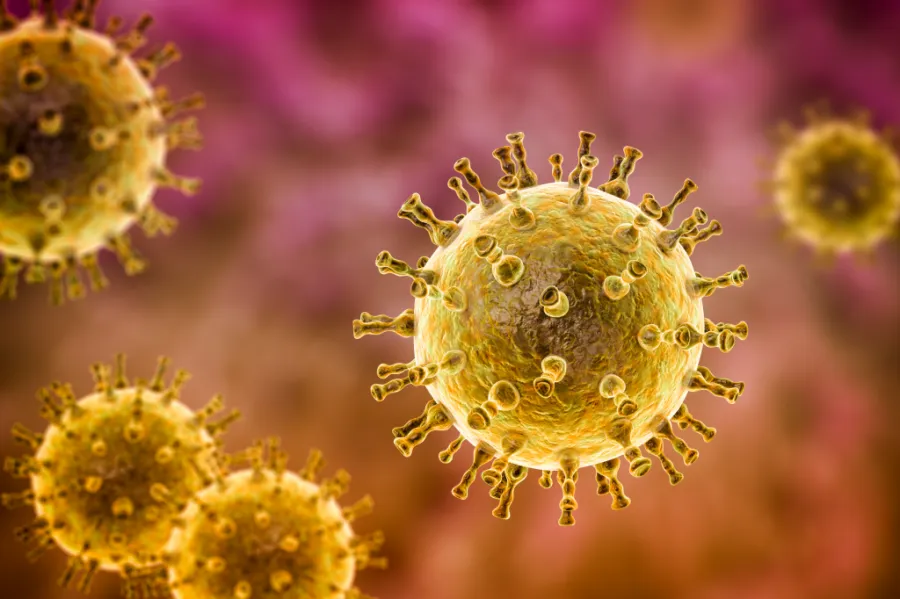
Shingles is caused by the varicella-zoster virus—the same virus that causes chickenpox.
After you recover from chickenpox, the virus doesn’t completely leave your body. Instead, it remains inactive in nerve tissue. Later in life, it can reactivate and travel along a nerve to the skin, causing the painful rash we know as shingles.
The rash typically appears as a single strip or cluster of blisters on one side of the body or face. In severe cases, it can show up in multiple areas of the body. Some people also experience burning, tingling, itching, or significant pain before the rash even appears.
And while shingles usually goes away, the pain doesn’t always stop when the rash does. One of the most troublesome complications is called postherpetic neuralgia, or PHN. This is nerve pain that can continue for months—or even years—after the shingles rash has cleared.
How is shingles treated?
Shingles is usually treated with prescription antiviral medication, such as acyclovir, valacyclovir or famciclovir. These medicines can shorten the illness, reduce the severity of symptoms, and lower the risk of complications. They work best when started as soon as possible, ideally within 72 hours of the rash appearing. Treatment may also include medication to manage pain and itching. Cool, wet compresses can help soothe the skin, and keeping the rash clean and dry can help prevent a secondary infection.
If you think you may have shingles, contact your doctor right away. And if the rash is near your eye or on your face, seek medical attention right away because shingles in or around the eye can cause serious complications, including vision loss.
Can stress trigger shingles?
It’s possible. Stress has long been considered a potential trigger for shingles, and some studies have found an association between high levels of psychological stress and an increased risk of developing shingles. But researchers haven’t established a simple cause-and-effect relationship.
What we do know is that shingles occurs when the varicella-zoster virus, which remains dormant in the body after chickenpox, becomes reactivated. Age and a weakened immune system are among the clearest risk factors.
So if you’ve been under a lot of stress, don’t assume that stress alone caused a shingles outbreak. And, importantly, don’t blame yourself if you develop shingles. Sometimes, the virus reactivates without an obvious trigger.
Who is most likely to get shingles?
Your risk goes up as you get older. About 1 in 3 people in the United States will develop shingles during their lifetime. People with weakened immune systems are also at increased risk. That’s one reason the shingles vaccine is recommended for adults starting at age 50, as well as certain adults age 19 and older whose immune systems are weakened because of a disease or treatment.
“The shingles vaccine is the best way to reduce your risk before shingles happens,” says Dr. Weiss. “For many people, it can be quite painful, and that pain can sometimes last well after the rash has cleared. That’s why I encourage patients to think about vaccination as a way of staying ahead of the disease, rather than waiting until there’s a problem.”
What is the shingles vaccine?
The shingles vaccine currently recommended in the United States is called Shingrix. It is a recombinant vaccine, which means it does not contain a live virus.
Shingrix is given in two doses. For most adults, the second dose is given two to six months after the first. Adults who are immunocompromised may receive the second dose one to two months after the first, depending on their circumstances.
And yes, it’s possible to get Shingrix at the same time as other vaccines. Your doctor or pharmacist can help you figure out what makes sense for you.
Does the shingles vaccine really work?
Yes. Shingrix is highly effective at preventing shingles in adults with healthy immune systems. In clinical studies, it was about 97% effective in adults ages 50 to 69 and about 91% effective in adults age 70 and older.
It also provides strong protection against postherpetic neuralgia, one of the most painful complications of shingles. No vaccine provides 100% protection, but the shingles vaccine is one of the best tools we have for reducing your chances of developing shingles and its complications.
What if I’ve already had shingles?
You should still talk with your doctor about getting vaccinated. Having shingles once does not guarantee that you won’t get it again. Shingrix is recommended even for people who have had shingles in the past.
You generally don’t need to wait a specific number of months after having shingles. The important thing is to wait until the acute illness has resolved and the shingles rash has gone away before getting vaccinated.
What are the side effects?
This is one area where it’s worth setting expectations. Some people feel pretty lousy for a day or two after Shingrix. You may have soreness, redness or swelling where you received the shot. Some people develop fatigue, muscle aches, headache, fever, chills or stomach symptoms.
These reactions are usually temporary and generally resolve within two to three days. It can be tempting to think, “If the vaccine makes me feel sick, maybe I should skip it.” But these short-term reactions are very different from getting shingles itself, which can cause significant pain and, in some cases, long-lasting nerve problems.
Shingles vaccine: FAQ
Q: I don’t remember ever having chickenpox. Do I still need the shingles vaccine?
For most adults 50 and older, yes. You don’t need to prove that you had chickenpox before getting the shingles vaccine. CDC does not recommend routine blood testing for prior chickenpox immunity before shingles vaccination in this age group.
Q: Can I get shingles from the shingles vaccine?
No. Shingrix does not contain live virus, so it cannot give you shingles.
Q: Do I need a shingles vaccine if I feel healthy?
Being healthy doesn’t mean you’re protected from shingles. Age itself is an important risk factor, which is why routine vaccination is recommended beginning at age 50.
Q: Can I get the vaccine if I’m under 50?
The routine recommendation is for adults 50 and older. However, adults 19 and older with weakened immune systems because of disease or treatment are also recommended to receive Shingrix. If you’re not sure whether you fall into one of these groups, ask your primary care clinician.
Q: What if I miss my second dose?
Don’t start the series over. If more than six months have passed since your first dose, CDC recommends getting the second dose as soon as possible rather than restarting the series.
Q: Can I get Shingrix if I’ve had the older shingles vaccine?
Yes. People who previously received Zostavax, the older live shingles vaccine that is no longer available in the United States, can still receive Shingrix.
Q: Can I get Shingrix while I’m getting another vaccine?
In many cases, yes. Shingrix can be given at the same visit as other vaccines, although your doctor may recommend different injection sites.
Q: Can I get Shingrix while I have shingles?
No. The shingles vaccine is intended to prevent shingles; it does not treat an active episode. If you currently have shingles, talk with your doctor about treatment and when vaccination would be appropriate.
The bottom line
Shingles isn’t something you can predict. You may be healthy, active and feeling great and still develop it later in life. For adults who are eligible, the shingles vaccine offers strong protection against both shingles and one of its most painful complications. It’s a two-dose series, and even if you’ve had shingles before, you should talk with your doctor about vaccination.
If you’re 50 or older—or you’re an adult with a weakened immune system—and you’re not sure whether you’re due for Shingrix, it’s worth asking your primary care physician or pharmacist. A quick conversation now can help you avoid a very unpleasant illness later.
Seeing your primary care doctor shouldn’t be hard. Tufts Medicine has PCPs near you and same-week availability at three locations: Reading, Framingham and Boston.