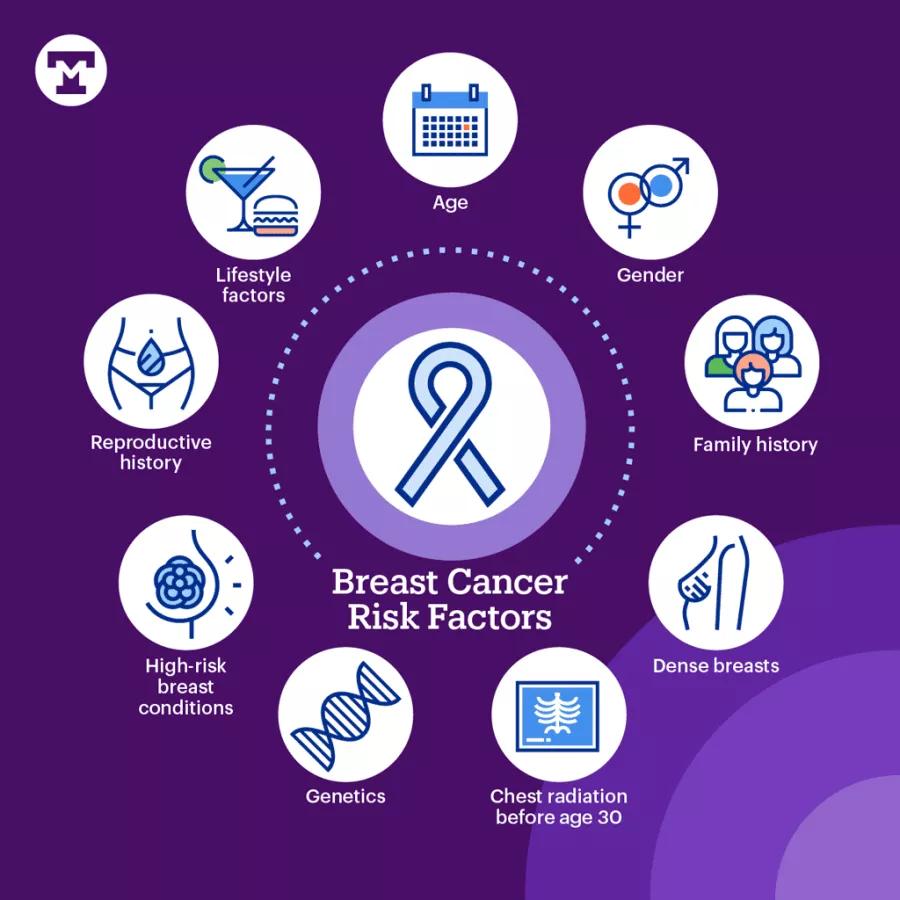
Understanding your breast cancer risk is critical to making informed healthcare decisions. We recommend all women age 25 and over have a formal breast cancer risk assessment to understand their risk. While learning you have a high risk for breast cancer can be frightening, it’s important to know that there are a growing number of options that can reduce your risk of developing breast cancer. Tufts Medicine hematologist and oncologist Anubha Bharthuar, MD, shares what you need to know about one of these options—chemoprevention.
Chemoprevention is the use of a medication to stop cancer from forming in people who are considered at high risk of developing breast cancer. Your risk level is based on a risk assessment that considers factors including family history, genetics and personal health history.
Is chemoprevention right for you?
Women over age 35, who have a high risk of developing breast cancer may be eligible to take medications that can reduce risk. You’re considered high risk if you have one of the following:
- A 5-year risk of 1.7% or greater of developing breast cancer as determined by formal breast cancer risk assessment
- A 20% lifetime risk of breast cancer as determined by the Tyrer-Cuzick risk assessment
- Breast biopsy or surgery with pathology results showing atypical hyperplasia or lobular carcinoma in situ
Types of chemoprevention
There are a number of breast cancer risk reduction medications your doctor may recommend if you are at high risk of breast cancer. These medications are all taken daily for 5 years to reduce the risk of breast cancer.
Selective Estrogen Receptor Modulator (tamoxifen, raloxifene) block the effects of estrogen (a hormone that influences the growth and development of many breast cancers) in the breast tissue.
- In the uterus, tamoxifen acts like an estrogen and encourages the growth of the lining of the uterus.
- Raloxifene works by blocking estrogen's effects, but has less estrogen-like effects on the uterus than tamoxifen
Aromatase inhibitors (anastrozole, exemestane) decrease estrogen levels in your body by preventing conversion of androgens to estrogens in peripheral tissues (fat tissue). This is the main source of estrogen production after menopause.
Who shouldn’t use chemoprevention?
All drugs have risks and side effects. We don’t recommend chemoprevention to reduce breast cancer risk in in women who:
- Have a higher risk of serious blood clots
- Are pregnant or planning to become pregnant
- Are breastfeeding
- Are taking estrogen (including birth control pills or shots, or menopausal hormone therapy)
- Are younger than 35 years old
No matter your risk, you have options to protect your breast health. Schedule your annual mammogram, speak to your doctor about your risk factors and learn more about comprehensive risk assessments here: