What is norovirus?
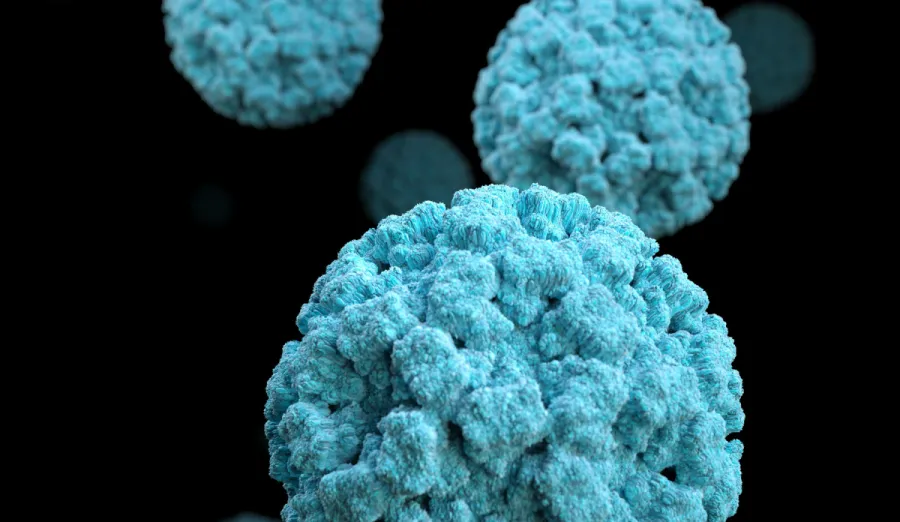
A “stomach bug” can strike anyone at any time of year, though it tends to surge in winter and spreads more easily when people are in close contact. Norovirus is a highly contagious virus that causes inflammation of the stomach and intestines, a condition known as gastroenteritis. It is often called the “stomach flu” but it’s not related to influenza. Norovirus can affect people of all ages and multiple times in a lifetime because immunity is temporary.
Outbreaks are most common in communal environments such as classrooms, childcare centers, long-term care facilities, hospitals and (famously) cruise ships.
Common symptoms
Symptoms of norovirus usually begin 12 to 48 hours after exposure and may include:
- Nausea and vomiting
- Diarrhea
- Stomach cramps
- Mild fever
- Headache and body aches
Most people begin to feel better within 1 to 3 days, although fatigue can last longer. Young children and older adults may be more affected and can dehydrate faster.
How norovirus spreads
Norovirus is spread through the fecal-oral route, which means that it is transmitted via bowel movements. It spreads easily through:
- Direct contact with someone who is infected
- Eating food or drinking water contaminated with the virus
- Touching surfaces contaminated with the virus then touching your mouth
The virus can survive on surfaces for days and is not killed by many alcohol-based hand sanitizers. Handwashing with soap and water is the best way to reduce transmission.
Preventing norovirus
There is no vaccine to prevent norovirus, but you can lower your risk with basic precautions.
- Wash hands thoroughly
Wash with soap and water for at least 20 seconds, especially after using the bathroom, changing diapers and before eating or preparing food. Hand sanitizer should not replace handwashing. - Practice safe food handling:
- Rinse fruits and vegetables before eating
- Cook shellfish and other high-risk foods thoroughly
- Don’t prepare food for others while sick and for at least 48 hours after symptoms stop
- Clean and disinfect surfaces: Use a bleach-based disinfectant on frequently touched surfaces such as countertops, doorknobs and bathroom fixtures.
- Stay home when sick: Avoid work, school and public places until at least 48 hours after symptoms have completely resolved.
Treating norovirus
There is no specific antiviral medication for norovirus. The best treatment is symptomatic relief and preventing dehydration.
- Stay hydrated: Take small, frequent sips of water, oral rehydration solutions or clear fluids. Signs of dehydration include dry mouth, dizziness and decreased urination.
- Rest and gradual return to eating: Rest helps your body recover. When appetite returns, start with bland foods such as rice, toast, bananas or applesauce.
- Use medications cautiously: Over-the-counter medications may ease symptoms for adults, but should not be given to young children unless recommended by your doctor.
When to seek medical care
Call your clinician if you or someone you care for experiences:
- Signs of dehydration
- Vomiting or diarrhea lasting longer than three days
- Unable to eat or drink anything for more than 24 hours
- High fever or severe abdominal pain
- Symptoms in infants, older adults or people with chronic illnesses
Frequently asked questions about norovirus
- How long is someone with norovirus contagious?
People are most contagious while they are sick and for at least 48 hours after symptoms stop, but the virus can still be shed for up to two weeks. - Can I return to work or school once I feel better?
It’s safest to wait at least 48 hours after symptoms have completely resolved before returning to work, school or childcare. - Is norovirus the same as food poisoning?
Norovirus can cause foodborne illness but it is a viral infection, not bacterial food poisoning. - Does hand sanitizer kill norovirus?
No. Alcohol-based hand sanitizer is less effective. Soap and water are better at removing the virus from hands. - Can antibiotics treat norovirus?
No. Antibiotics do not work against viruses, including norovirus. - How should I clean my home after someone has been sick?
Use a bleach-based disinfectant on contaminated surfaces, wash laundry in hot water and wash hands thoroughly after cleaning. - Who is at higher risk for complications?
Infants, older adults and people with weakened immune systems are at greater risk for dehydration and may need medical care sooner.
Protecting yourself, your family and your community
Norovirus can spread rapidly, but careful handwashing, cleaning and staying home when sick can significantly reduce transmission. If you have questions about symptoms or dehydration, your clinician can help.
Still have questions? The Tufts Medicine symptom checker can help you find out what's causing your symptoms and help you get care.