Many people think acne is just a teenage problem, but dermatologists say that’s far from true. Adult acne is surprisingly common, especially among women in their 30s and 40s. Breakouts later in life can have different causes than the ones you dealt with in high school, from hormones to stress to the products you use. The good news? There are many safe, effective ways to treat adult acne today.
If you’re struggling with caring for your acne at home, make an appointment to see a dermatologist because there are various cosmetic and medical treatment options available.
Erika Elliott, MD, Dermatologist
What new options help treat acne over 30?
The exciting news is that there are more treatment options for adult acne than ever before, including:
- At-home options: Clascoterone is the first FDA-approved topical antiandrogen. It works locally on the skin to target acne-causing hormones without affecting hormones throughout the rest of the body.
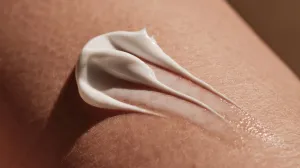
- Topical vitamin A: Tretinoin encourages skin cells to shed faster and more evenly, helping prevent clogged pores that cause breakouts. It can also fade post-acne marks and improve skin texture over time.
- Oral medications: Isotretinoin (Accutane) can lead to long-term clearance after treatment. Spironolactone also provides great results, though it requires ongoing use.
- Light-based therapy: Certain visible light LED devices approved by the FDA can improve acne. Ask your dermatologist if this could be a good fit for you.
Women are more prone to adult breakouts
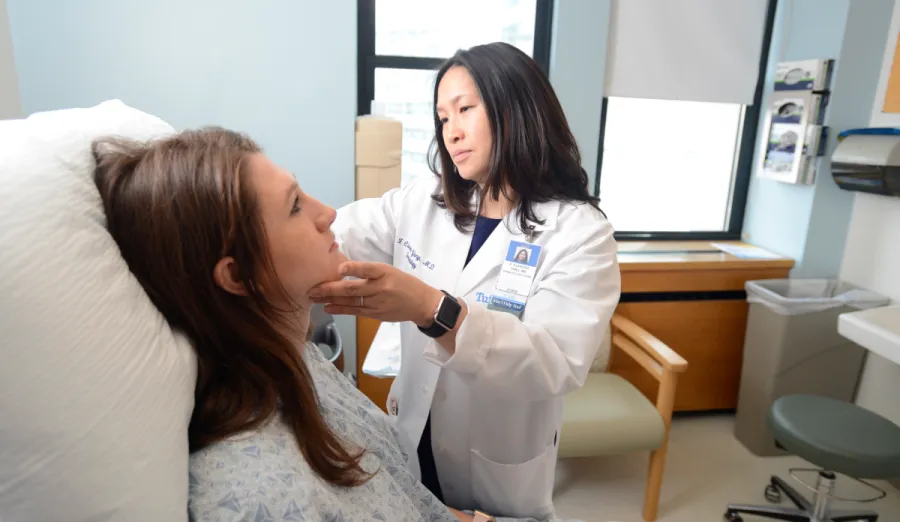
Women experience adult acne more often than men. “Adult-onset acne is more common in women and often appears along the jawline rather than the T-zone of the forehead, nose and chin,” said Clarissa Yang, MD, Chief of Dermatology at Tufts Medical Center. “Jawline acne in women can suggest a hormonal imbalance.”
Other common triggers include using the wrong products, certain food groups, stress and poor sleep habits.
What do hormones, PCOS + acne have to do with breakouts over 30?
For many women, hormones play a major role in acne. “Hormonal influence can result from an imbalance, birth control methods like pills or IUDs, or conditions such as polycystic ovarian disease (PCOS),” said Dr. Elliott.
Hormonal acne often appears along the jawline and T-zone. The imbalance may involve higher levels of androgens — male hormones that increase oil production and clog pores.
Some women with jawline breakouts discover they have PCOS, which can cause irregular periods, ovarian cysts, weight gain, facial hair or thinning hair. Others notice acne flare-ups after starting or stopping hormonal birth control, or during pregnancy or menopause.
Do certain foods make acne worse after 30?
Diet can also make a difference. Dairy and sugar are two of the biggest culprits. “Whey protein and foods with a high glycemic index or high dairy content can contribute to acne flares,” said Dr. Elliott. That includes sodas, pastries, chocolate and other sweets.
What everyday habits can cause acne after 30?
Sometimes, simple changes can make a big impact. If you have oily skin, look for products labeled oil-free, non-comedogenic or water-based because they’re less likely to clog pores.
When a breakout happens, it’s tempting to wash your face more often, but that can make things worse.
“If you wash your face too often, you can break down the skin barrier and allow bacteria or irritants to cause inflammation,” said Dr. Yang. “Your skin may then produce more oil to compensate, which can lead to more acne.”
Stress, lack of sleep and diet can also contribute to flare-ups. If you think one of these might be to blame, keep a log of your breakouts and talk with a dermatologist.
What steps help us manage breakouts over 30?
“While adult acne can be frustrating for many women regardless of age, we have a wide spectrum of treatments that work,” said Dr. Yang. If gentle cleansing and the right products aren’t enough, your dermatologist may suggest prescription options. For hormonal acne, certain oral contraceptives that contain less acne-causing progesterone components — such as norgestimate, norethindrone acetate or drospirenone can help by regulating hormones and menstrual cycles. These may clear skin within a few months, though they can increase the risk of heart disease, blood clots and stroke in women who smoke.
Another option is spironolactone, a prescription diuretic that blocks the effects of androgen in women. Retinoids, derivatives of vitamin A, can also be effective. “Retinoid creams help by reducing oil gland production, regulating skin cell turnover and unclogging pores,” said Dr. Yang. In severe cases, oral isotretinoin (Accutane) may be prescribed. Because it can cause serious birth defects, this medication should never be used by women who are pregnant or trying to become pregnant.
Chemical peels and light-based treatments can also help, but are usually not covered by insurance.
The bottom line
There are many effective options for treating acne, but it’s important to understand what’s causing it and that can be complex. A board-certified dermatologist can help you find the treatment that’s right for you.
Tufts Medicine offers both in-person and telemedicine visits for dermatologic conditions.