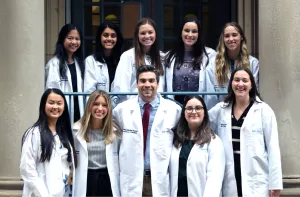
Residents are actively engaged in a patient-centered integrated model that includes clinical, distributive, research, and education responsibilities. The programs builds on Doctor of Pharmacy (PharmD) education and outcomes to contribute to the development of clinical pharmacists responsible for medication-related care of patients with a wide range of conditions, eligible for board certification, and eligible for postgraduate year two (PGY2) pharmacy residency training, and specialized positions.
About this program
Tufts Medical Center Pharmacy Residency Program
How to apply
To apply, applicants must:
For PGY1 Programs, be graduates or candidates for graduation from an ACPE-accredited degree program (or one in the process of pursuing accreditation) or have a foreign Pharmacy Graduate Examination Committee (FPGEC) certificate from the NABP.
For PGY2 Programs, possess a PharmD degree from an ACPE-accredited college of pharmacy (or one in the process of pursuing accreditation) or have a foreign Pharmacy Graduate Examination Committee (FPGEC) certificate from the NABP, AND be participating in or have completed an ASHP-accredited or candidate status PGY1 Residency Program.
Interviewing
Although we look forward to meeting with applicants during informal showcase sessions, such as at the ASHP Midyear Clinical Meeting, those encounters are not considered interviews. The interview at Tufts Medical Center allows the applicant to meet potential colleagues and provides an opportunity for a greater number of our staff to meet with each applicant.
We extend invitations to join us for an interview only to those applicants who are selected by our Residency Screening Committee. Interviews are scheduled only after all application materials are received and reviewed by the Screening Committee.
Affiliations
The hospital is affiliated with Tufts University School of Medicine and Tufts University School of Dental Medicine. The Department of Pharmacy is affiliated with the Massachusetts College of Pharmacy and Allied Health Sciences and Northeastern University's Bouve College of Pharmacy and Allied Health Sciences.
These alliances provide residents the opportunity to attend and/or contribute to classroom discussions, interact with other health professional students, and to precept pharmacy interns and students.
What is the Department of Pharmacy like?
The department’s professional staff and faculty are routinely involved in providing integrated clinical, distributive, research and educational services at Tufts Medical Center and serve as skilled and experienced preceptors to our residents. Our preceptors are an integral part of the educational and clinical research programs at Tufts Medical Center, Tufts University School of Medicine, Massachusetts College of Pharmacy and Health Sciences, and Northeastern University’s Bouve College of Pharmacy & Health Sciences.
Why choose Tufts Medical Center?
Residents complete their training at Tufts Medical Center, a world-class academic medical center located in Boston and the principal teaching hospital for Tufts University School of Medicine. Tufts Medical Center is a 415-bed robust organization, providing everything from routine medical care to treating the most complex diseases affecting a diverse patient population. It also sponsors nineteen specialty ACGME-accredited clinical training programs.
Tufts Medical Center provides heart, kidney, liver and bone marrow transplants, comprehensive neurological and neurosurgical care, offers cutting-edge cancer treatments, and is a level I trauma center.
Residency program
PGY1 pharmacy residency program
Purpose
This residency program builds on Doctor of Pharmacy (PharmD) education and outcomes to develop pharmacist practitioners with knowledge, skills, and abilities as defined in the educational competency areas, goals, and objectives. Residents who successfully complete PGY1 residency programs will be skilled in diverse patient care, practice management, leadership, and education, and be prepared to provide patient care, seek board certification in pharmacotherapy (i.e., BCPS), and pursue advanced education and training opportunities including postgraduate year two (PGY2) residencies.
Description
Our program is a 12-month postgraduate curriculum that prepares pharmacists for a clinical practice that integrates direct patient care, drug distribution, teaching, and management.
Residency outcomes
The residency program’s purpose is achieved by utilizing the four competency areas and their associated educational goals and objectives as required by the ASHP Standard. The competency areas are: (1) patient care; (2) advancing practice and improving patient care; (3) leadership and management; and (4) teaching, education, and dissemination of knowledge.
PGY1 learning experiences
The residency provides learning experiences to help residents to meet all the required competencies of the ASHP-accredited program. The types of learning experiences are: (1) required core rotations; (2) elective rotations; and (3) longitudinal experiences.
Seven core rotations (all are 4-week experiences)
Internal Medicine
One of the following:
- General Medicine
- Geriatrics
AND one of the following:
- Either listed above
- Infectious diseases
- Cardiology
- Hospitalist Service
- Nephrology
- Pulmonology
Critical Care
One of the following:
- Medical ICU
- Surgical ICU
AND one of the following:
- Either listed above
- Cardiothoracic ICU
- Neuro ICU
- Cardiac ICU
- Advanced heart failure
- Neonatal ICU
Ambulatory Care
One of the following:
- Primary care
- Infectious diseases
- Endocrinology
AND one of the following:
- Any listed above
- Gastroenterology
- Nephrology
- Neurology
- Pediatrics
Operations
- Central operations and sterile products and project management
Two elective rotations (4-week experiences)
Two rotations selected from:
- Either Emergency Medicine, Solid Organ Transplant, or Bone Marrow Transplant
- AND any one rotation above not previous taken
Longitudinal experiences
- Hospital pharmacy practice (decentralized and centralized staffing) (every 4th weekend and one week of evenings every 5 weeks)
- Committees (e.g., pharmacy and therapeutics, medication safety, nursing/pharmacy)
- Management topic discussions (1 hour per month)
- Case presentations (at least six; 30 minutes each)
- Code response (11 months)
- Resident project
Teaching opportunities
Experience in teaching (instruction, coaching, facilitation) is gained through active participation in numerous committees, clinical conferences, and in-service presentations.
Residents may also be responsible for precepting students in the department's undergraduate clinical clerkship programs and they routinely participate in monthly teaching seminars held in conjunction with other Boston area residency programs.
Additional opportunities to educate others include:
- Preparation and presentation of 2 CE programs
- Presentation of Residency Project results to the pharmacy staff and at a regional conference.
- Residents and Preceptors
- Didactic sessions with students training in the health professions
- Editing and publishing departmental newsletters
PGY1 pharmacy residency program director
Paul Abourjaily, PharmD, BCPS
Residency Program Director – PGY1
Specialty/Areas of Interest: Primary Care, Academia
Education and Training:
PharmD – University of Rhode Island
PGY1 Pharmacy Residency – Tufts Medical Center
Rotations offered: Ambulatory Care Primary Care
Contact: Paul.Abourjaily@tuftsmedicine.org
PGY1 community-based pharmacy residency
Purpose
This residency program builds upon Doctor of Pharmacy (PharmD) education and outcomes to develop community-based pharmacist practitioners with diverse patient care, leadership, and education skills who are eligible to pursue advanced training opportunities including postgraduate year two (PGY2) residencies and professional certifications.
Description
Our program is a 12-month postgraduate curriculum that prepares pharmacists for a community and specialty pharmacy based clinical practice that integrates direct patient care, pharmacy drug distribution, teaching, and management.
Outcomes
The residency program’s purpose is achieved by utilizing the four competency areas and their associated educational goals and objectives as required by the ASHP Standard. The competency areas are: (1) patient care; (2) practice advancement; (3) leadership; and (4) teaching and education.
Minimum Requirements
Candidates must:
- Be graduates or candidates for graduation from an ACPE-accredited degree program (or one in the process of pursuing accreditation) or have a foreign Pharmacy Graduate Examination Committee (FPGEC) certificate from the NABP
- Be eligible for licensure in Massachusetts
- Be registered with the National Matching Service and the Pharmacy Online Residency Centralized Application Service (PhORCAS)
Application Process
Applicants must provide the following:
- Official college of pharmacy transcript
- Curriculum vitae
- Letter of intent
- Three letters of recommendation submitted from health care professionals and/or supervisors who can attest to the practice abilities and aptitudes of the applicant. Individuals providing recommendations should be instructed to use the standardized form provided in PhORCAS.
All application materials, including letters of recommendation, should be submitted to PhORCAS. Please do not send application materials to Tufts Medical Center.
The Tufts Medical Center Residency Screening Committee will review applications only after receipt of all application materials. The deadline for receipt of all application materials is January 2, 2027.
Learning experiences
The Tufts Medical Center PGY1 Community-based pharmacy residency utilizes three types of learning experiences to help residents to meet the required competencies of an ASHP-accredited program. Following an orientation period, the types of learning experiences are: (a) required/core rotations; (b) elective rotations; and (c) longitudinal experiences.
Eight core rotations (all are 4-week experiences)
Specialty Pharmacy Clinical Care
- Primary Care
- Specialty Pharmacy Operations
AND one of the following (biologics):
- Dermatology
- Gastroenterology
- Pediatrics
- Rheumatology
AND one of the following (clinic-based):
- Endocrinology
- Hepatology
- Infectious disease
- Nephrology
- Pulmonology
AND one of the following (specialty pharmacy-based):
- Cardiology
- Neurology
- Solid Organ Transplant
- Hematology / Oncology
Community Pharmacy Care (both of the following):
- Transitions of Care and Meds to Beds
- Medication Adherence Program
Operations
- Community / Specialty pharmacy management
Two elective rotations (4-week experiences)
One rotation selected from:
- Any core rotation not taken
Longitudinal experiences
All the following:
- Community and specialty pharmacy practice (staffing) (11 months)
- One weekend (Saturday and Sunday) every 4 weeks
- One week (40hrs) every fifth week
- Staffing/operational support in community and specialty pharmacy practice (11 months)
- One weekend every 4 weeks
- One week (40 hours) every fifth week
- Practice Management (11 months)
- Interdepartmental Committees (e.g., P&T, Specialty Pharmacy Quality Management Committee) (at least 2 committees up to 2 hours monthly)
- Management topic discussions (up to 1 hour monthly)
- Committees (e.g., Pharmacy and Therapeutics, Specialty Pharmacy Quality Management Committee, etc.) (12 months)
- Drug monograph or drug class review (1 month)
- Medication Use Evaluation (1 month)
- Providing practice-related education (11 months)
- Case presentations(at least 6; 30 minutes each) o Major project (11 months)
Teaching opportunities
Experience in teaching (instruction, coaching, facilitation) is gained through active participation in numerous committees, clinical conferences, and in-service presentations.
Residents may also be responsible for precepting students in the department's undergraduate clinical clerkship programs and they routinely participate in monthly teaching seminars held in conjunction with other Boston area residency programs.
Additional opportunities to educate others include:
- Preparation and presentation of 2 CE programs
- Presentation of Residency Project results to the pharmacy staff and at the Eastern States Conference for Pharmacy Residents and Preceptors
- Didactic sessions with students training in the health professions
- Editing and publishing departmental newsletters
PGY1 community-based pharmacy residency program director
Erica Diamantides, PharmD, MHA, BCPS
System Director, Specialty Pharmacy Services
Residency Program Director – PGY1 Community-based
Specialty/Areas of Interest: Specialty Pharmacy, Leadership
Education and Training:
- PharmD – Northeastern University
- PGY1/2 Health System Pharmacy Administration and Leadership Residency – University of Washington (UW) Medicine
Rotations offered: Community/Specialty Pharmacy Management
Contact: erica.diamantides@tuftsmedicine.org
PGY2 ambulatory care residency program
Purpose
This PGY2 pharmacy residency program builds upon Doctor of Pharmacy (PharmD) education and PGY1 pharmacy residency training to develop pharmacist practitioners with knowledge, skills and abilities as defined in the educational competency areas, goals and objectives for advanced practice areas. Residents who successfully complete PGY2 residency programs are prepared for advanced patient care or other specialized positions and board certification in the advanced practice area, if available.
Description
Integrated pharmacy practitioners at Tufts Medical Center are responsible for dedicated clinical practices, drug distribution, teaching and research in a variety of ambulatory care settings. The Ambulatory Care pharmacy program works closely with the medical staff and patients to ensure that medications are prescribed appropriately, administered safely and work effectively. Dedicated pharmacists care for patients with chronic conditions in variety of specialties including primary care, endocrinology, infectious diseases, cardiology, oncology, dermatology, rheumatology, neurology, GI and hepatology, nephrology, solid organ transplant, pulmonology, and pediatrics. Residents will focus on medication-related care of patients who are prescribed chronic, costly, and complex medications that require ongoing management by a pharmacist for appropriateness, access and affordability, as well as adherence. Residents will be required to rotate through core experiences and have the opportunity to select two elective experiences. A resident-led longitudinal experience will be established in primary care.
Outcomes
The residency program’s purpose is achieved by utilizing the six competency areas and their associated educational goals and objectives as required by the ASHP Standard. The competency areas are: (1) patient care; (2) advancing practice and improving patient care; (3) leadership and management; (4) teaching, education, and dissemination of knowledge; (5) specialty pharmacy; and (6) continuity of care.
Learning experiences
The Tufts Medical Center PGY2 Residency in Ambulatory Care Pharmacy utilizes three types of learning experiences to help residents to meet all of the required competencies of the ASHP-accredited program. The types of learning experiences are: (1) required/core rotations; (2) elective rotations; and (3) longitudinal experiences.
Seven core rotations
All the following: (6 weeks unless otherwise noted)
- Orientation (3 weeks)
- Primary care
- Infectious disease
- Endocrinology
- Nephrology
- Kidney transplant
- Ambulatory leadership
Two elective rotations (6 weeks each)
One rotation selected from:
- Dermatology
- Rheumatology
- Pediatrics
- Gastroenterology
- Neurology
One rotation selected from:
- Solid organ transplant
- Pulmonology
- Oncology
- Any ‘biologics’ rotation above
Longitudinal experiences
- Outpatient pharmacy practice (staffing) (12 months; every 4th weekend)
- Primary Care longitudinal clinic (10 months; 2 full days per month)
- Practice Management (12 months – committee participation, case presentations, student conferences, etc.) T
- eaching (approximately 8 weeks)
- Resident project (12 months)
Ambulatory care residency program director
Program Director
Katlyn Grossman PharmD BCACP AAHIVP
Senior Clinical Pharmacy Specialist – Infectious Diseases
Specialties/Areas of interest: HIV treatment and prevention, viral hepatitis, substance use disorder
Education and Training:
PharmD – University of Pittsburgh
PGY1 Pharmacy Residency – The Brooklyn Hospital Center
PGY2 – The Brooklyn Hospital Center
Rotations offered: Infectious Diseases, Teaching
Contact: katlyn.grossman@tuftsmedicine.org
PGY2 cardiology residency program
Purpose
This PGY2 pharmacy residency program builds upon Doctor of Pharmacy (PharmD) education and PGY1 pharmacy residency training to develop pharmacist practitioners with knowledge, skills, and abilities as defined in the educational competency areas, goals, and objectives for advanced practice areas. Residents who successfully complete PGY2 residency programs are prepared for advanced patient care or other specialized positions, and board certification in the advanced practice area.
Description
Integrated pharmacy practitioners at Tufts Medical Center are responsible for dedicated clinical practices, drug distribution, teaching and research in a variety of cardiac care settings. The Cardiovascular Center at Tufts Medical Center offers nationally renowned programs in advanced heart failure and heart transplantation, hypertrophic cardiomyopathy, cardiac arrhythmias, interventional cardiology, cardio-oncology, and cardiac surgery. Dedicated pharmacists provide care to patients in the cardiac surgery intensive care unit (ICU), cardiac care ICU, in the cardiomyopathy unit, on a general cardiology floor, and in the cardiology clinic. Residents participate in the care of patients in all practice settings.
Outcomes
The residency program’s purpose is achieved by utilizing the five competency areas and their associated educational goals and objectives as required by the ASHP Standard. The competency areas are: (1) patient care; (2) advancing practice and improving patient care; (3) leadership and management; (4) teaching, education, and dissemination of knowledge; (5) management of cardiovascular and medical emergencies. A complete description of required competency areas can be found here.
PGY2 cardiology pharmacy learning experiences
The Tufts Medical Center PGY2 Residency in Cardiology Pharmacy utilizes three types of learning experiences to help residents to meet all the required competencies of the ASHP-accredited program. The types of learning experiences are: (1) required core rotations; (2) elective rotations; and (3) longitudinal experiences.
Five Core Rotations (5-6 week experiences)
All the following:
- General Cardiology
- Advanced heart failure and transplant
- Cardiac Surgery ICU
- Coronary care unit
- Cardiology clinic
Three to Five Elective Rotations: (2-5 week experiences)
- Transplant infectious diseases
- Medical ICU
- Neurology ICU
- Emergency medicine
- Electrophysiology
- Pulmonary Hypertension Clinic
- Second experience in a core rotation with a focus on precepting
Longitudinal experiences
- Hospital pharmacy practice (staffing; every 4th weekend, one critical care or med-surg evening shift per week)
- Committees (e.g. Pharmacy and Therapeutics, Quality, etc. over 11 months)
- Emergency code and stroke response (11 months)
- Teaching through cases, CEs, house staff conference (12 months)
- Resident project & MUE (every 8 weeks)
Cardiology residency program director
Kelly Nguyen, PharmD, BCPS, BCCCP
Clinical Pharmacy Specialist - Critical Care
Education and Training:
PharmD, MCPHS University, Boston
PGY1 Pharmacy Residency – Baystate Medical Center
PGY2 Critical Care – Tufts Medical Center
Rotations offered: Heart Failure/General Cardiology Clinic, Advanced Heart Failure Clinic
Contact: kelly.nguyen@tuftsmedicine.org
PGY2 critical care residency program
Purpose
This PGY2 pharmacy residency program builds upon Doctor of Pharmacy (PharmD) education and PGY1 pharmacy residency training to develop pharmacist practitioners with knowledge, skills, and abilities as defined in the educational competency areas, goals, and objectives for advanced practice areas. Residents who successfully complete PGY2 residency programs are prepared for advanced patient care or other specialized positions, and board certification in the advanced practice area.
Description
Integrated pharmacy practitioners at Tufts Medical Center dedicated are responsible for dedicated clinical practices, drug distribution, teaching and research in a variety of critical care and emergency medicine settings. Tufts Medical Center is a Level I Trauma Center and is renowned for outstanding care to patients in more than 100 adult and neonatal intensive care beds. The Emergency Department serves more than 45,000 patients every year. Residents participate in the care of patients in all practice settings.
Residency outcomes
The residency program’s purpose is achieved by utilizing the four competency areas and their associated educational goals and objectives as required by the ASHP Standard. The competency areas are: (1) patient care; (2) advancing practice and improving patient care; (3) leadership and management; (4) teaching, education, and dissemination of knowledge. A complete description of required competency areas can be found here.
Eight core rotations: (all are 4 or 5 week rotations)
All the following:
- Medical ICU
- Surgical / Trauma ICU
- Cardiothoracic ICU
- Coronary care ICU
- Neurocritical care unit
- Emergency medicine
- Advanced heart failure
- Research
- Nutrition
- MICU or SICU with a focus on precepting
Two Elective Rotations: (4 or 5 week experiences) selected from:
- Research
- Neonatal ICU
- Infectious Disease (focus on critical care)
- Solid Organ Transplant
Longitudinal experiences
All the following:
- Hospital pharmacy practice (staffing) (12 months; one evening per week and every 4th weekend)
- Committees (11 months) (P&T, Med Safety, etc.)
- Code Response (11 months)
- Case presentations, student conferences (every 8 weeks)
- Medication Use Evaluation
- Post-Intensive Care Syndrome Clinic (12 months)(once every two weeks)
- Resident project (12 months)
Critical Care Pharmacy Residency Program Director
Kimberly E. Levasseur-Franklin, PharmD, FCCM, BCPS, BCCCP
Pharmacy Manager—Critical Care/Emergency Medicine
Specialty/Areas of Interest: Neurocritical Care, Sedation/Analgesia/Delirium, Anticoagulation Reversal
Education and training:
PharmD - MCPHS – Boston
PGY1 Pharmacy Residency – UMass Memorial Medical Center
PGY2 Critical Care Pharmacy Residency—University of Illinois at Chicago Medical Center (UIC)
Rotations offered: Adult critical care
Contact: Kimberly.Levasseur-Franklin@tuftsmedicine.org
PGY2 Solid Organ Transplant Pharmacy Residency
Purpose
This PGY2 pharmacy residency program builds upon Doctor of Pharmacy (PharmD) education and PGY1 pharmacy residency training to develop pharmacist practitioners with knowledge, skills, and abilities as defined in the educational competency areas, goals, and objectives for advanced practice areas. Residents who successfully complete PGY2 residency programs are prepared for advanced patient care or other specialized positions, and board certification in the advanced practice area.
Description
Integrated pharmacy practitioners at Tufts Medical Center are responsible for dedicated clinical practices, for drug distribution, teaching and research in a variety of inpatient and ambulatory care settings. The solid organ transplant pharmacy program works closely with medical staff, surgical staff, and patients to ensure that medications are prescribed appropriately, administered safely, and work effectively. Dedicated pharmacists care for patients who have received kidney, liver, and/or heart transplants, as well as abdominal organ donors, and candidates being evaluated for kidney, liver, and/or heart transplant. Residents will have the opportunity to care for patients requiring ICU level of care, on inpatient units, and patients in the ambulatory care setting. Residents will focus on the care of patients who have received transplanted organs, including educating patients and assessing medication adherence. Residents will be required to rotate through core experiences and will have the opportunity to select from a variety of elective experiences.
Residency Outcomes
The residency program’s purpose is achieved by utilizing the four competency areas and their associated educational goals and objectives as required by the ASHP Standard. The competency areas are: (1) patient care; (2) advancing practice and improving patient care; (3) leadership and management; (4) teaching, education, and dissemination of knowledge. A complete description of required competency areas can be found here.
Learning Experiences
The PGY2 Solid Organ Transplant Pharmacy Residency utilizes three types of learning experiences to meet all the required competencies of an ASHP-accredited program. Following an orientation period, experiences are: (a) required core rotations; (b) elective rotations; and (c) required longitudinal experiences.
Six Core Rotations: (all are 5-week experiences)
All the following:
- Inpatient liver/kidney transplant I
- Inpatient liver/kidney transplant II
- Inpatient advanced heart failure/heart transplant
- Outpatient kidney transplant
- Outpatient liver transplant
- Outpatient heart transplant
Three Elective Rotations: (3–4-week experiences)
Three rotations selected from:
- Inpatient heart transplant II OR cardiosurgical ICU
- Outpatient kidney transplant II OR outpatient liver transplant II
- Surgical / Trauma ICU
- Coronary Care ICU • Medical ICU
- Bone marrow transplant
- Transplant infectious disease
Longitudinal Experiences
All the following:
- Hospital pharmacy practice (staffing) (12 months; one evening per week and every 4th weekend)
- Committees (11 months) (Transplant QAPI, etc.)
- Case presentations, student conferences (at least 6; 30 minutes each)
- Medication Use Evaluation • Resident project (12 months)
PGY2 Solid Organ Transplant Pharmacy Residency Program Director:
Kerri Guilbert, PharmD
Clinical Pharmacy Specialist – Abdominal Transplant
Specialty/Areas of Interest: Liver transplant, kidney transplant
Education and Training:
PharmD: Northeastern University
PGY1 Residency: Emory University Hospital
PGY2 Residency: Emory University Hospital
Rotations Offered: inpatient abdominal transplant, outpatient kidney transplant,
outpatient liver transplant
Contact: Kerri.Guilbert@tuftsmedicine.org
PGY1/2 combined health-system pharmacy administration + leadership residency program
Purpose
This program combines a 12-month PGY1 pharmacy practice residency with a 12-month PGY2 residency in health-system administration. In year one, the resident participates in and is responsible for all the requirements of the accredited Tufts Medical Center PGY1 Pharmacy Residency. In year two, this PGY2 pharmacy residency program builds upon PGY1 residency graduates’ competence in the delivery of patient-centered care and in pharmacy operational services to prepare residents who can assume high level managerial, supervisory, and leadership responsibilities. Areas of competence emphasized during the program include safe and effective medication-use systems, quality assurance and improvement, the management of human resources, the management of financial resources, use of technology, and advanced leadership. The residency lays the foundation for continued growth in management and leadership skills. Upon graduation, residents are prepared for a clinical or operational management/supervisory role in a variety of work settings.
Description
Pharmacists at Tufts Medical Center are responsible for dedicated clinical practices, drug distribution, teaching and research in both acute and ambulatory settings. The Department of Pharmacy is renowned for combining clinical, operational, financial, and regulatory management into a cohesive whole and for involving every member of the staff in administering the programs of the department. The resident will develop competence in caring for inpatients and outpatients, and in managing people and processes.
Learning experiences
PGY1/2 Health-System Pharmacy Administration Learning Experiences
The Tufts Medical Center Combined PGY1-2 Residency in Health-system Pharmacy Administration and Leadership utilizes three types of learning experiences to help residents to meet all the required competencies of the ASHP-accredited program. The types of learning experiences are: (1) required/core rotations; (2) elective rotations; and (3) longitudinal experiences.
In year one, the resident participates in and is responsible for all of the requirements of the accredited Tufts Medical Center PGY1 Pharmacy Residency. The learning experiences for year two are:
Six core rotations (all are 5-week experiences)
- Executive leadership
- Clinical leadership
- Advanced inpatient operations
- Ambulatory leadership
- Supply chain & revenue cycle management
- Safety and quality oversight
Two 5-week elective rotations selected from:
- Infusion center leadership
- Outpatient / Specialty pharmacy operations
- 340B program leadership
- Formulary management
Longitudinal experiences
All the following:
- Hospital pharmacy practice (staffing) (12 months; every fourth weekend)
- Interdepartmental Committees (11 months) (e.g., P&T, Medication Safety, Pharmacy/Nursing)
- Budgeting (2 months)
- Management topic discussions (1 hour per month)
- Case presentations, student conferences (at least 6; 30 minutes each)
- ASHP Pharmacy Leadership Academy (10 months)
- Personnel Management (11 months)
- Administrator On-call (11 months) (1 week approximately every 6 weeks)
- Resident project (12 months)
Life as a resident
Boston is a beautiful, historic city with both the advantages and the problems of an urban area. The city is one of the largest tourist cities in the United States. It is culturally diverse, with large Chinese, Italian, and Irish communities.
Boston has major sports teams and provides numerous opportunities to enjoy the arts. It is also a highly academic area, with over 30 colleges in the city, including Tufts, Harvard, and MIT.
Travel is convenient, as the city and outlying areas have a reliable and inexpensive transportation system. Owning a car in Boston is not necessary, One can get virtually anywhere in the city, including Tufts Medical Center, via the public transportation system. However, if you bring a car to Boston, parking is available during worked hours at Tufts Medical Center.
Reasonable apartments can be found in Boston, but it may take more than a week of serious hunting in early summer to secure one. It is much easier to find reasonably priced housing outside the center of Boston.
Salary + benefits
The residency stipend is competitive with those offered in similar programs. The specific dollar amount and other information about our Residency Program can be found in the current ASHP Residency Directory.
Residents are eligible for the hospital’s benefits package, including medical, dental, life and disability plans, and including paid time off for holidays, vacation and sick leave. The department also provides funds to partially offset the cost of travel to the ASHP Midyear Clinical Meeting, Eastern States Conference for Pharmacy Residents and Preceptors, and other local and regional professional conferences.
Residents
PGY-1 residents
Name: Vivian Kung
Hometown: Braintree, MA
Pharmacy School: Northeastern University
Career Interests: Emergency Medicine
Hobbies: Yoga, reading, trying new bakeries,
Why Tufts?: When I spoke with the last class of residents at the New England Residency Showcase, they described the many learning opportunities and wide variety of rotations offered in the PGY1 program and how their preceptors genuinely cared for their learning and career development. And during my interview at Tufts, I felt that the preceptors are friendly and welcoming, and they wanted to know more about my professional interests as well as interests outside of work.

Name: Gillian Diiorio
Hometown: North Providence, RI
Pharmacy School: University of Rhode Island College of Pharmacy
Career Interests: Internal medicine, critical care
Hobbies: Running, shopping, reading, spending time with friends and family
Why Tufts?: In searching for a PGY1 program, I was looking for a medium sized academic medical center that offered many opportunities in both internal medicine and critical care. During my Tufts interview, I was further impressed that many of the pharmacists were previous PGY1 residents at Tufts. I enjoyed all of my interactions with everyone from Tufts during interviews and residency showcases. I knew that I would obtain a well-rounded, challenging residency training at Tufts. I am looking forward to continuing to learn as a resident at Tufts!
Name: Emma Daly
Hometown: Franklin, MA
Pharmacy School: University of Rhode Island College of Pharmacy
Career Interests: ambulatory care, cardiology
Hobbies: baking, gardening, going on walks with my dog Midnight, shopping, trying new restaurants in the area
Why Tufts?: During my interview with Tufts, I was impressed by how genuinely interested the pharmacy team was in getting to know me on a personal level. It was very clear that they were not only invested in my success as a resident, but also eager to support my personal and professional development as a pharmacist. I was drawn to the wide variety of rotation opportunities, which span both inpatient and outpatient settings. Tufts has provided me with the ideal balance of strong mentorship from preceptors while also challenging me to grow and develop as a resident and pharmacist. I look forward to continuing my learning as a resident at Tufts and growing both personally and professionally!
Name: Allison Zhang
Hometown: Dededo, Guam
Pharmacy School: Massachusetts College of Pharmacy and Health Sciences
Career Interests: Cardiology
Hobbies: Cooking, trying new restaurants, raising plants, and going to beach
Why Tufts?:I was drawn to Tufts because of its specialized cardiac rotations and opportunities to gain a well-rounded experience through a variety of inpatient and outpatient experiences. I also value the institution serving a diverse patient population, including those from underserved communities. During my interview, my interest was further solidified as I observed the preceptors' dedication to fostering my growth and creating a supportive, safe environment for learning. I am excited to continue the year, eager to learn and grow with each rotation!
PGY-1 community-based pharmacy resident
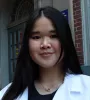
Name: Theresa Zheng
Hometown: Saipan, Northern Mariana Islands
Pharmacy School: Northeastern University
Career Interests: Ambulatory Care
Hobbies: yoga, pottery
Why Tufts?: I chose Tufts Medical Center because of its diverse patient population, which offers a unique chance to work with a wide variety of clinical cases and make a meaningful impact on patient care. The preceptors and mentors here are incredible – they not only offer guidance and support but also challenge me to grow both clinically and professionally. Additionally, the strong emphasis on specialty pharmacy and hands-on learning allows me to build my skills and reach my goals.
PGY-1 health-system pharmacy administration and leadership resident

Name: Sarah Cunningham
Hometown: Tewksbury, MA
Pharmacy School: University of Rhode Island Career
Interests: quality improvement, critical care, internal medicine
Hobbies: workout classes, spending time with friends and family, skiing, walking around the city, going to the beach
Why Tufts?: From my experience over the past few years as an inpatient pharmacy intern here at Tufts I have witnessed the supportive relationship between residents and preceptors. This creates an excellent environment for growth into a well-rounded pharmacist. I was drawn to Tufts because it is an academic medical center and also has the close-knit feeling of a smaller community hospital. The PGY-1 program provides a wide variety of rotations which allows me to solidify my clinical knowledge. In the second year of the HSPAL program I am looking forward to focusing on my leadership skills and working with different leaders across Tufts Medicine.
PGY-2 critical care

Name: Lauren St. John
Hometown: Fairport, NY
Pharmacy School: St. John Fisher University
Where you completed your PGY1: Tufts Medical Center
Career Interests: critical care, emergency medicine, academia
Hobbies: cooking, spending time with my cats, trying new restaurants, and exploring Boston
Why Tufts? After my PGY1 year, it was an extremely easy decision to apply to complete PGY2 at Tufts. The preceptors are welcoming, friendly, and incredibly knowledgeable, and the providers at Tufts are very pharmacy friendly. I have enjoyed working with each team that I have had the opportunity to collaborate with. Specific to critical care, there are a wide variety of rotations available at Tufts that I knew would provide me with a well-rounded experience. I could not imagine completing my residency training anywhere else!
PGY-2 cardiology
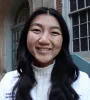
Name: Amy Leung
Hometown: Los Angeles County, CA
Pharmacy School: University of California, San Diego
Where you completed your PGY1: Scripps Memorial Hospital – La Jolla
Career Interests: Advanced Heart failure, General Cardiology, Cardiac ICU
Hobbies: painting, ceramics, jigsaw puzzles, watching Korean dramas, exploring new restaurants and bakeries
Why Tufts?: During my interview, I felt extremely welcomed and everyone seemed so passionate about the work that they do at Tufts. Tufts offered a wide variety of rotations that align with my career interests, and I felt that I would get a well-rounded learning experience.
PGY-2 ambulatory care
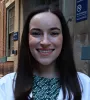
Name: Maria Spielberger
Hometown: Collegeville, PA
Pharmacy School: University of Pittsburgh
Where you completed your PGY1: Tufts Medical Center
Career Interests: primary care, transplant
Hobbies: baking, reading, exploring different neighborhoods in Boston, and spending time with family and friends
Why Tufts?: During my interview with Tufts, one of the first things I noticed was how welcoming the preceptors and residents were and how excited they were to genuinely get to know me better. I decided to stay at Tufts for my second year in ambulatory care due to the variety in rotations offered and the supportive environment of the pharmacy department.
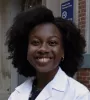
Name: Keesha Predestin
Hometown: Rockland County, NY
Pharmacy School: University at Buffalo
Where you completed your PGY1: Thomas Jefferson University Hospital
Career Interests: Primary care, oncology
Hobbies: baking, weightlifting, board games, watching Korean dramas
Why Tufts?: I was returning to pursue a PGY2 after working for a year, in my search I was looking for programs that offered a variety of clinics to rotate through so that I could explore a range of specialties. During my interview everyone was personable and welcoming which drew me to this program. I can confirm that everyone in the outpatient side is as kind as they appeared virtually!
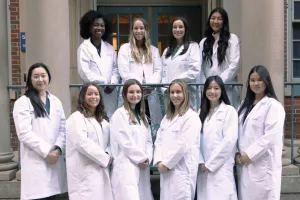
PGY1 and PGY2 residents
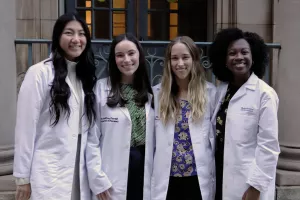
PGY2 residents
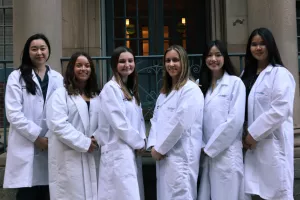
PGY1 residents