
A structured, hands-on neurosurgery training experience in Boston

The Neurosurgery Residency Program at Tufts Medical Center offers a carefully structured seven-year curriculum that prepares residents for the full spectrum of neurosurgical practice. From early exposure in the operating room to advanced surgical leadership, residents develop the clinical, technical and academic skills needed for fellowship or independent practice.

Clinical training + surgical development

Throughout the program, residents gain extensive experience in adult neurosurgery. They spend 51 months immersed in core clinical training, managing cases across all major neurosurgical subspecialties. As residents advance, they take on greater operative responsibility and leadership in patient care.

Subspecialty + off-site rotations

The curriculum includes dedicated training in neuropathology, neuroradiology and neuro-ophthalmology, as well as focused time in radiosurgery, interventional neurosurgery and outpatient neurosurgical care. Residents also complete two off-site rotations: three months in functional neurosurgery and deep brain stimulation at Brigham and Women’s Hospital, and six months in pediatric neurosurgery at Boston Children’s Hospital.

Research + academic support

Tufts Medical Center emphasizes academic development alongside clinical training. Each resident is paired with a research mentor and encouraged to pursue independent or collaborative projects. The program offers access to institutional research resources and collaborates closely with core neuroscience faculty and basic scientists at Tufts University School of Medicine.

Inpatient + outpatient care structure

Residents work within a well-supported clinical environment that includes a team of advanced practice providers. Eight physician assistants assist with inpatient care, including documentation, consults and discharge planning. Four nurse practitioners and one additional physician assistant support the outpatient clinic, helping manage notes, phone calls and patient follow-up. This collaborative structure allows residents to focus on surgical training, complex care and academic growth.
Display title
Training Experience

A legacy of neurosurgical innovation + leadership at Tufts Medical Center

The Department of Neurosurgery at Tufts Medical Center has a distinguished history of clinical innovation, academic leadership and surgical excellence. Over the decades, it has served as the training ground for many accomplished neurosurgeons who have gone on to lead programs, conduct groundbreaking research and advance the field nationally and internationally. The department has also been the site of important contributions to the evolution of neurosurgical care, where new treatment paradigms have been conceived, refined and brought into clinical practice.

This legacy reflects Tufts Medical Center’s broader commitment to academic medicine and patient-centered care. The history of the Department of Neurosurgery—along with the Medical Center’s origins and evolution—has been formally documented and published in the Journal of Neurosurgery, highlighting its enduring role in shaping modern neurosurgical practice.

Display title
Program History

Explore a Neurosurgery Residency in Boston focused on clinical excellence, mentorship and growth

Dear Applicant,
Thank you for your interest in the Neurosurgery Residency Program at Tufts Medical Center.

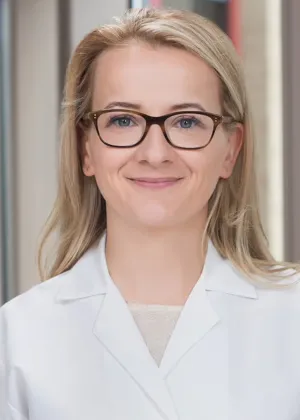
Marie Roguski, MD, MPH

As both a graduate and now Program Director of this residency, I have experienced firsthand the training environment that makes Tufts MC such a special place to learn and grow. Our mission is to train exceptional neurosurgeons who provide outstanding patient care, contribute meaningfully to the advancement of our field and lead with integrity throughout their careers.

At Tufts MC, residents receive broad exposure to the full spectrum of neurosurgery while caring for a diverse and complex patient population. Through progressive responsibility, close faculty mentorship and a strong commitment to education, residents develop the clinical judgment, technical skills and professionalism necessary to thrive in any practice setting.

Our faculty are deeply invested in resident development, both inside and outside the operating room. We believe that mentorship is one of the most important aspects of surgical training and we strive to create an environment where residents are supported, challenged and encouraged to pursue their individual interests. Whether your goals include academic neurosurgery, clinical practice, research, education or leadership, our program is committed to helping you reach them.

Equally important is the culture of our residency. Neurosurgery is a demanding field but we believe residents learn best in an environment grounded in teamwork, respect and shared purpose. We take pride in our close-knit community and in the lasting relationships that develop among residents, faculty and staff.

We seek applicants who are intellectually curious, hardworking, compassionate and committed to excellence. If you are looking for a program that will challenge you, support your growth and prepare you for a fulfilling career in neurosurgery, we encourage you to learn more about Tufts MC and apply.

We look forward to meeting you.

Marie Roguski, MD, MPH
Program Director, Neurosurgery Residency Program
Tufts Medical Center
Associate Professor of Neurosurgery
Tufts University School of Medicine

Display title
Message from the Program Director

Comprehensive neurosurgery residency training in Boston with high surgical volume + academic focus

The Neurosurgery Residency Program at Tufts Medical Center in downtown Boston offers exceptional clinical training and surgical experience. Residents work closely with experienced attending physicians who emphasize bedside teaching, operative technique and progressive autonomy in both clinical decision-making and surgical performance. By the completion of training, residents are well-versed in a broad spectrum of neurosurgical procedures.

The program also promotes the integration of clinical care with basic science. All residents are expected to participate in research activities, reinforcing the importance of academic inquiry in advancing the field of neurosurgery.

Despite the high volume of more than 1,700 procedures performed annually, the neurosurgical team maintains a collegial and collaborative culture. Physician assistants, nurse practitioners and faculty work in close partnership with residents to meet clinical demands while supporting a rigorous, team-based learning environment.

Display title
About Our Program
Jump back to top