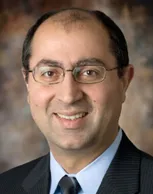
Meet the cardiology faculty at Tufts Medical Center

Our cardiology faculty at Tufts Medical Center are nationally recognized leaders and experts dedicated to excellence in patient care, education and research. They bring a wealth of clinical experience across all subspecialties of cardiology, including electrophysiology, interventional cardiology, advanced heart failure and transplant, cardiac imaging and preventive cardiology.

Committed to mentoring the next generation of cardiologists, our faculty provides personalized guidance tailored to each fellow’s career goals. They actively engage in cutting-edge research and innovation, helping fellows develop strong clinical skills and academic expertise.

With diverse backgrounds and a shared passion for teaching, our faculty foster a supportive and collaborative learning environment. Their dedication ensures that fellows receive comprehensive training that prepares them for successful careers in academic medicine, subspecialty practice and community cardiology.

  • Program Director: Brian Downey, MD
  • Associate Program Director: Gordon Huggins, MD
  • James E. Udelson, MD, Chief, Division of Cardiology
  • Robert Blanton, MD
  • Jennifer Chee, MD
  • Michael Chin, MD, PhD
  • Chris Clyne, MD, MBA
  • David DeNofrio, MD
  • Brian Downey, MD
  • Kay Everett, MD, PhD
  • Jonas Galper, MD, PhD
  • Gaurav Gulati, MD, MS
  • Munther K. Homoud, MD
  • Gordon S. Huggins, MD
  • Margaret Infeld, MD, MS
  • Iris Jaffe, MD, PhD
  • Madhavi Kadiyala, MD
  • Navin Kapur, MD
  • Michael Kiernan, MD, Msc
  • Jeong Hwan Kim, MD
  • Carey D. Kimmelstiel, MD
  • Marvin A. Konstam, MD
  • Christopher Madias, MD
  • Mili Mehta, MD
  • Nicole Orr, MD
  • Ayan R. Patel, MD
  • Arsalan Rafiq, MD
  • Indranee Rajapreyar, MD
  • Charlie Resor, MD,MSc
  • Guy Rozen, MD, MHA
  • Deeb N. Salem, MD, FACP, FACC, FAHA
  • Libin Wang, MD
  • Benjamin S. Wessler, MD
  • Mark Zilberman, MD
     
Display title
Our Faculty
Eyebrow
Cardiovascular Disease Fellowship Training Program

Training + teaching opportunities for cardiology fellows at Tufts Medical Center

At Tufts Medical Center, cardiology fellows not only gain exceptional clinical and research experience but also play a vital role in educating the next generation of healthcare professionals. Fellows actively teach medical students from Tufts University School of Medicine as well as residents and other house staff at Tufts Medical Center. This involvement allows fellows to deepen their own knowledge, enhance communication skills, and contribute to a collaborative learning environment.

For fellows interested in pursuing a career in academic medicine or education, additional opportunities are available to develop and lead educational activities. These may include organizing case conferences, delivering lectures, mentoring junior trainees, and participating in curriculum development. Our program supports fellows who see education as a central component of their professional growth, providing mentorship and resources to cultivate effective teaching skills.

By integrating teaching into their fellowship experience, our cardiology trainees prepare themselves to become influential educators and leaders in cardiology, capable of advancing clinical knowledge and improving patient care through education.

Display title
Teaching Opportunities
Eyebrow
Cardiovascular Disease Fellowship Training Program

Explore basic, translational + clinical cardiology research at Tufts Medical Center

In addition to rigorous clinical training, fellows at Tufts Medical Center are actively encouraged to engage in meaningful research that advances the field of cardiovascular medicine. Fellows benefit from access to robust infrastructure, expert faculty mentorship and opportunities for collaboration across specialties.

Basic + translational research

Fellows interested in foundational science can collaborate with investigators at the Molecular Cardiology Research Institute (MCRI), which focuses on the molecular and cellular mechanisms of cardiovascular disease. Projects span genetic, proteomic and translational studies aimed at improving diagnosis and treatment strategies.

Clinical + outcomes research

Fellows pursuing clinical research have access to a wide range of ongoing studies across the Division of Cardiology. One area of strong institutional focus is shock and shock management. Fellows are encouraged to participate in the Cardiac Shock Working Group, a multidisciplinary team advancing clinical research in the care of patients with cardiogenic shock. With mentorship, fellows are supported in developing their own research questions, designing studies and contributing to publications.

Formal research training opportunities

Fellows seeking structured research education may apply to the Tufts University Clinical and Translational Science Program, a master-level graduate program. Participants begin coursework in their third year of fellowship and dedicate a fourth year to focused research training. This pathway prepares fellows for careers as physician-scientists and academic leaders.

Faculty mentorship + funding

Cardiology faculty at Tufts Medical Center are highly engaged in research across a range of specialties, including electrophysiology, heart failure, interventional cardiology and imaging. Fellows work directly with mentors who provide hands-on support in research design, IRB submission, data analysis and manuscript preparation. Internal and external funding opportunities are often available, and fellows are encouraged to present their work at national and international conferences.

Display title
Research Opportunities
Eyebrow
Cardiovascular Disease Fellowship Training Program

How the Tufts Medical Center cardiology fellowship is structured

Cardiology core rotations at Tufts Medical Center range from one to three weeks in length. During the first two years, fellows build a strong foundation in all areas of cardiovascular care with structured, high-yield clinical experiences.

Approximate time per year is as follows:

  • Consultative cardiology: 12 weeks
  • Cardiac catheterization lab: 8 weeks
  • Echocardiography: 8 weeks
  • Nuclear cardiology: 4 weeks
  • Critical care cardiology: 2–4 weeks
  • Electrophysiology: 4 weeks
  • Advanced heart failure and transplant cardiology: 3 weeks

The third year includes expanded elective time for career development and subspecialty exploration, along with a scaled-back schedule of core rotations tailored to the fellow’s goals.

Night float + weekend call: A balanced approach

To support education and work-life balance, our program has long used a night float system. Each fellow participates in night float for approximately 5–6 weeks per year during the first two years of training.

Weekend call is split between general cardiology and electrophysiology:

  • General cardiology weekend coverage: ~6 weekends per year
  • Electrophysiology weekend coverage: ~3 weekends per year

This structure ensures exposure to high-acuity care while maintaining a manageable call burden and strong peer support.

Display title
Rotations + Schedules
Eyebrow
Cardiovascular Disease Fellowship Training Program

Cardiology fellowship roadmap: Rotations, electives + growth

Our three-year Cardiovascular Disease Fellowship is designed to give trainees a strong foundation in clinical cardiology, opportunities to explore specialized interests, and support to grow as clinician-scientists, educators or future subspecialists. The program structure is intentional—balancing core training with the flexibility fellows need to shape their own path.

Years 1 + 2: Core clinical training

The first two years are dedicated to core clinical rotations across the full spectrum of cardiovascular care. These rotations are structured to meet ACGME requirements and prepare fellows for independent practice. Fellows gain hands-on experience in both inpatient and outpatient settings while developing strong diagnostic, procedural and management skills.

During this time, fellows also have elective opportunities that allow them to:

  • Broaden their clinical experience
  • Participate in clinical or translational research
  • Prepare abstracts or case reports for conferences

Year 3: Focused training and career development

The third year offers increased flexibility to tailor the experience to each fellow’s career goals. With more elective time, fellows can:

  • Deepen their expertise in subspecialty areas
  • Continue or expand academic research
  • Prepare for advanced fellowship training or transition to practice

This structure helps fellows build a strong general cardiology foundation while giving them the time and space to focus on what comes next in their career.

Display title
Curriculum + Structure
Eyebrow
Cardiovascular Disease Fellowship Training Program

Clinical training in the cardiovascular disease fellowship at Tufts Medical Center

Building on a rich tradition of excellence in cardiovascular medicine spanning more than 50 years, the Tufts Medical Center Cardiovascular Fellowship Training Program is dedicated to developing highly competent physician-leaders who deliver compassionate, clinically astute patient care. Program leadership supports the principle of graded autonomy—giving fellows increasing responsibility as they progress, based on demonstrated clinical competence and achievement of key training milestones.

Our fully ACGME/RRC-accredited, three-year cardiovascular disease fellowship provides comprehensive clinical training across the full spectrum of inpatient and outpatient cardiovascular care. Fellows rotate through diverse clinical services, gaining hands-on experience that builds the skills needed for expert cardiology practice.

Core clinical rotations

Throughout the fellowship, trainees participate in diverse clinical rotations that provide exposure to both inpatient and outpatient cardiovascular care. These rotations include:

  • Advanced cardiac imaging (CT/MRI): Exposure to cutting-edge imaging modalities.
  • Cardiac catheterization: Hands-on experience with diagnostic and interventional procedures.
  • Cardiac intensive care: Management of critically ill cardiac patients.
  • Community cardiology: Engagement with diverse patient populations in community settings.
  • Echocardiography: Training in transthoracic and transesophageal imaging techniques.
  • Electrophysiology: Management of arrhythmias and device implantation.
  • Heart failure and transplantation: Comprehensive care for advanced heart failure patients, including transplant evaluations.
  • Nuclear cardiology: Utilization of nuclear imaging for cardiac assessments.
  • Preventive cardiology: Strategies for cardiovascular risk reduction and health promotion.
  • Vascular medicine: Diagnosis and treatment of peripheral vascular diseases.

Career-focused third year

During the third year of fellowship, trainees concentrate their clinical experiences in career-focused rotations, such as:

  • Interventional cardiology
  • Advanced heart failure
  • Critical care cardiology

This year also emphasizes advanced imaging, including:

  • Transesophageal echocardiography
  • Cardiac CT
  • Cardiac MRI

These experiences are tailored to prepare fellows for subspecialty training or transition into independent practice.

Subspecialty training opportunities

After completing core rotations, fellows have the opportunity to pursue advanced training in subspecialty areas, including:

Graduates from our fellowship program commonly go on to advanced training to serve as subspecialists. Many stay at Tufts Medical Center to continue their education through our ACGME-accredited programs. Exceptional fellows interested in electrophysiology may be eligible for our accelerated integrated residency education program, which combines the third year of general cardiology training with subspecialty electrophysiology training.

Research training opportunities

Fellows interested in formal research training may apply to pursue a master’s degree through the Tufts University Clinical and Translational Science Program. Those accepted into this program begin structured research work in the third year of fellowship and complete a dedicated fourth year focused primarily on developing clinical and translational research skills.

Affiliated training sites

Clinical training primarily occurs at Tufts Medical Center, an academic referral hospital. To complement this, fellows rotate through affiliated community hospitals, including:

  • MelroseWakefield Hospital: Experience in consultative cardiology, critical care cardiology, and cardiac rehab.
  • MetroWest Medical Center: Exposure to non-invasive imaging and outpatient cardiology services.

Training at these two community sites helps provide a broader array of clinical training experiences than can be obtained in an academic medical center alone. Both centers include active programs in interventional cardiology and electrophysiology.

Display title
Clinical Training
Eyebrow
Cardiovascular Disease Fellowship Training Program

Our approach to cardiology training at Tufts Medical Center

We’re thrilled by your interest in cardiology training at Tufts Medical Center. Our mission is to develop leaders with the clinical, procedural and professional skills needed to become compassionate and effective cardiologists. At the heart of our program is a commitment to providing diverse clinical experiences that build a strong foundation for practice.

Training at Tufts Medical Center spans a wide spectrum of patient acuity, with exposure to both academic referral center care and community cardiology settings. This range offers fellows valuable insight into the social determinants of health that impact the populations we serve.

Fellows benefit from personalized mentorship as they pursue their unique goals—whether advancing in academic cardiology with a research focus, specializing in a cardiology subspecialty or becoming leaders in community-based practice.

Brian Downey, MD, Program Director
Gordon Huggins, MD, Associate Program Director

Display title
Message from the Program Director
Eyebrow
Cardiovascular Disease Fellowship Training Program
Jump back to top