Winter Weather Tips for Caregivers

Winter Weather Tips for Caregivers

February 7, 2025
2 min read

Winter storms can be tough, especially if you care for someone who depends on medical equipment. But with the right plan, you can stay safe and comfortable.

Two adults and child laying in the snow in winter clothes

Plan for the unexpected

  • Keep medical equipment ready: Have backup power or portable options for devices like oxygen machines and let your power company know about your needs.  
  • Stock an emergency kit: Include extra medications, medical supplies, baby essentials and non-perishable food.  
  • Be prepared for seniors and kids: Have extra blankets, medications, heating pads and warm clothes ready.

Charge-up + stay in touch

  • Charge devices: Fully charge your phone, tablet, and other devices so you can reach family, medical teams or emergency services. Keep a portable charger handy.
  • Keep important contacts handy: Post phone numbers for doctors, pharmacies and caregivers on your fridge in case the power goes out.

Home + auto

  • Check carbon monoxide detectors: If you use space heaters, a fireplace or a stove for heat, make sure you have a working carbon monoxide detector to keep your family safe.
  • Car and fuel: Keep your gas tank full and make sure your tires are winter-ready. A full tank can also be a backup power source to charge phones and other devices.

Snow removal + heating

  • Stay safe with snow blowers and shovels: Never leave kids or pets unattended around snow blowers. Take breaks while shoveling to avoid overexertion and wear waterproof gear to stay dry.
  • Keep walkways clear: Clear paths to your car and entrances in case you need to leave quickly. If you can’t manage it yourself, consider hiring a snow removal service or asking neighbors for help.

Additional resources


Blue Cross Tufts Medicine Logos
Press Releases
Tufts Medicine and Blue Cross Blue Shield of Massachusetts Announce Collaboration To Expand Access to Care and Streamline Prior Authorization
October 22, 2026
Blue Cross Blue Shield of Massachusetts ("Blue Cross") and Tufts Medicine today announced a strategic collaboration designed to reshape how patients across Massachusetts access and experience care.
a sick person, wrapped in a blanket on the couch, blowing her nose
Articles
Experiencing Respiratory Symptoms? When to Choose Primary Care, Urgent Care or the Emergency Room
October 21, 2026
A cough, fever or sore throat can often be managed at home or with help from your primary care clinician. But some symptoms, like difficulty breathing, chest pain or blue lips, need emergency care. Here's how to decide where to go when you or someone in your family isn't feeling well.
Mammogram
Articles
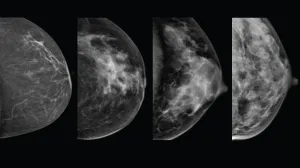
Dense Breasts + Breast Cancer Screening: What to Know
October 15, 2026
If you’re one of the more than half of women over 40 who’ve been told they have dense breast tissue, you’re not alone, and it’s natural to wonder what that means for your breast cancer risk and your screening. Radiologist Rachel Hitt, MD, MPH, Chief of Breast Imaging at Tufts Medical Center, explains what dense breast tissue is, how it can affect mammograms and the steps you can take to stay proactive about your breast health.

Be among the first to know

Enjoy the latest health updates from Tufts Medicine by signing up for our e-newsletter today.

Jump back to top