A hernia is a common surgical condition that occurs when an internal organ or tissue pushes through a hole that has developed in muscle or other tissue. While hernias can develop in different parts of the body, they most often occur in the abdomen or groin areas. We asked Adam Blau, MD, Director of Robotic-Assisted Surgery at MelroseWakefield Hospital to answer questions about the condition.
Are There Different Types of Hernias?
Yes. The most common types include:
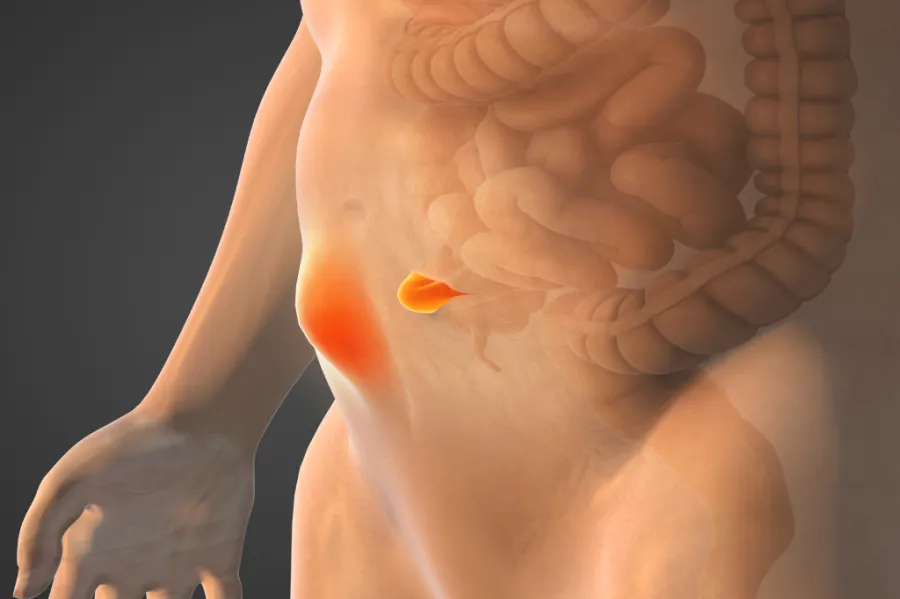
- Inguinal and femoral hernias, which occur in the groin area.
- Umbilical hernias, which appear near the belly button.
- Hiatal hernias, which occur when part of the stomach moves into the chest through a hole in the diaphragm.
- Incisional hernias, which can develop at the site of a previous surgical incision.
Who gets hernias and why?
Hernias can affect people of all ages. They often develop when muscle weakness is combined with strain. Risk factors include aging, obesity, chronic coughing, heavy lifting, pregnancy, constipation and previous abdominal surgery. Some people are also born with areas of weakness that make hernias more likely. When the weakness progresses into a hole in the muscle, a hernia has formed.
What are the signs and symptoms?
The most common symptom is a noticeable bulge that may become more apparent when standing, coughing or straining. Other symptoms can include discomfort, aching, pressure or a feeling of heaviness in the affected area. Some hernias cause little or no pain, while others can become increasingly uncomfortable over time.
How are hernias treated?
Some hernias may simply be monitored. However, surgery is often recommended to repair the hernia area and prevent complications.
Are there any new or advanced treatments?
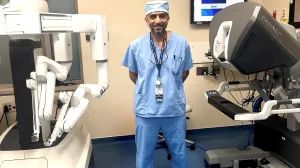
Advances in minimally invasive surgery have transformed hernia repair. In addition to traditional open incisional and laparoscopic techniques, many surgeons now perform robotic-assisted hernia surgery, which uses sophisticated robotic technology controlled entirely by the surgeon.
Robotic-assisted surgery allows for enhanced visualization with a high-definition, three-dimensional view of the surgical area and provides greater precision when repairing complex hernias. Through a few small incisions, surgeons can maneuver specialized instruments with exceptional control to complete both simple and complex repairs.
For many patients, robotic-assisted hernia repair may offer benefits such as less postoperative pain, less or no narcotic use after surgery, smaller scars, reduced risk of complications, shorter hospital stays and a quicker return to normal activities. It can be particularly useful for recurrent hernias, larger abdominal wall hernias and more complex repairs. Not every patient is a candidate, however, and the most appropriate surgical approach depends on the type, size, and location of the hernia as well as the patient's overall health.
Can hernias be prevented?
Not all hernias can be avoided, but certain lifestyle habits may reduce the risk. Maintaining a healthy weight, avoiding very heavy lifting, and treating chronic coughing or constipation can help reduce strain on the abdominal wall.
If you notice a new bulge, persistent discomfort or other symptoms that concern you, it is important to seek evaluation from a surgeon. Early diagnosis and treatment can help prevent complications and allow patients to explore the full range of treatment options, including advanced minimally invasive and robotic-assisted surgical techniques.