Ligament injuries are among the most common musculoskeletal problems our orthopedic and sports medicine specialists see. They affect athletes of all ages and levels, from young players learning the game to recreational athletes and professionals competing at the highest level.
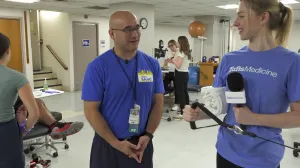
Orthopedic surgeon Matthew Salzler, MD, Chief of the Division of Sports Medicine at Tufts Medical Center, shares what to know about preventing, diagnosing and treating ligament injuries so you can stay active, recover safely and return to the activities you love.
What are ligament injuries and why do they matter
Ligaments are strong bands of connective tissue that help stabilize joints by linking bones together. Sudden twists, direct impacts or awkward landings can overstretch or tear these structures, leading to pain, swelling, instability and time away from sport.
While ligament injuries can happen anywhere in the body, some occur far more often than others—and treatment depends on the specific ligament involved, the severity of injury and the person's activity level.
Some of the ligaments most often affected include:
- Anterior cruciate ligament (ACL): A key stabilizer in the knee and one of the most commonly injured ligaments, especially in sports involving cutting, pivoting or sudden stops.
- Medial collateral ligament (MCL): Supports the inner knee and is frequently injured through contact or twisting; many MCL injuries respond well to non-surgical care.
- Ankle ligaments (ATFL): Among the most common ligament injuries overall, often caused by ankle sprains during sports and everyday activity.
- Ulnar collateral ligament (UCL): An important stabilizer in the throwing elbow; injuries are less common and typically seen in athletes who perform repetitive overhead or throwing motions.
"Ligament injuries exist on a spectrum," says Dr. Salzler. "Many sprains respond well to conservative care, but complete tears, especially in athletes with high performance demands, often need a thoughtful surgical or procedural plan."
Because ligaments influence how joints track and bear load, an injury can not only sideline an athlete but, without proper management, increase the risk for arthritis or repeat injury later in life.
Prevention: It starts before the injury
Preventing ligament injuries isn't random luck. It begins with intentional preparation.
Build functional strength
Strengthening the muscles around joints, especially the glutes, thighs and core, helps reduce stress on ligaments during rapid movements.
Practice good movement patterns
Neuromuscular training, such as jump-landing drills, and sport-specific technique work help the body move safely under pressure.
Don't skip the warm up
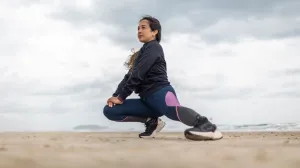
Dynamic warm-ups before activity improve flexibility and muscle activation.
Prioritize recovery
Adequate rest, recovery modalities and managing fatigue are key. Pushing through exhaustion is a common risk factor for injury.
"Injury prevention is a team effort," says Dr. Salzler. "We look at the whole athlete, including biomechanics, strength, movement habits and workload, to build a plan that helps reduce risk."
Common ligament injuries and how they're treated
Non-surgical care
Many ligament injuries, especially mild to moderate sprains, improve with:
- Rest and activity modification
- Ice and anti-inflammatory strategies
- Targeted physical therapy to restore strength and stability
- Bracing or taping when appropriate
Surgical options
When ligaments are significantly torn or lead to joint instability, reconstructive procedures can be highly effective. At Tufts Medicine, surgeons often use advanced arthroscopic techniques—minimally invasive procedures that allow precise repair or reconstruction through small incisions. Arthroscopy can reduce pain, limit scarring and help speed recovery compared with traditional open surgery.
Examples include:
- ACL reconstruction: A procedure that replaces the torn ligament with a graft to restore knee stability, frequently performed using arthroscopic methods.
- UCL reconstruction: Often called Tommy John surgery, this surgery restores elbow stability in throwing athletes.
In recent years, care teams have also integrated biologic therapies, such as platelet-rich plasma, as adjuncts to support healing and recovery, though the evidence varies by injury type and severity.
"We take an individualized approach," says Dr. Salzler. "It's important to balance an athlete's goals, age, sport demands and overall health when recommending surgery."
What recovery looks like
Rehabilitation is just as important as diagnosis or surgery.
- Early phase: Focuses on pain control, swelling reduction and gentle range of motion
- Mid phase: Emphasizes strength and proprioception (your body's subconscious sense of its own position, movement and effort in space) or joint awareness
- Advanced training: Prepares the athlete for sport-specific movements before return to play
"Recovery isn't just about healing tissue," notes Dr. Salzler. "It's about restoring confidence, coordination and resilience. That's why our team works closely with therapists and trainers throughout the process."
Return-to-sport timelines vary, but with systematic rehabilitation and objective testing, many athletes reach or exceed their pre-injury performance.
The takeaway: Injury isn't the end, it's a new beginning
Ligament injuries can sound daunting, but with the right team-driven approach, most people, from weekend warriors to elite athletes, can return to activity stronger and more informed about how they move and train.
Prevention, early diagnosis, individualized care and comprehensive rehabilitation are the pillars that help athletes minimize downtime and protect long-term joint health.
If you or someone you care for has sustained a ligament injury or wants to discuss injury prevention strategies, the Tufts Medicine Sports Medicine team is here to help.
Learn more about sports medicine care at Tufts Medicine.