Choroidal melanoma is the most common cancer that begins inside the eye in adults, but it's still rare. While treatment can often successfully control the tumor in the eye, many patients remain at risk of the cancer spreading, most commonly to the liver.
"Understanding which patients are at the highest risk is an important part of improving outcomes," said study co-author Shilpa J. Desai, MD, medical director of ocular oncology at Tufts Medical Center and associate professor of ophthalmology at Tufts University School of Medicine. "Advances in genetic testing are helping us better predict how a patient's cancer may behave so we can personalize follow-up care and treatment decisions. At the same time, eye-preserving treatments such as Gamma Knife stereotactic radiosurgery offer effective alternatives to removing the eye for many patients. And for those whose cancer does spread, targeted therapies and clinical trials are beginning to offer new hope."
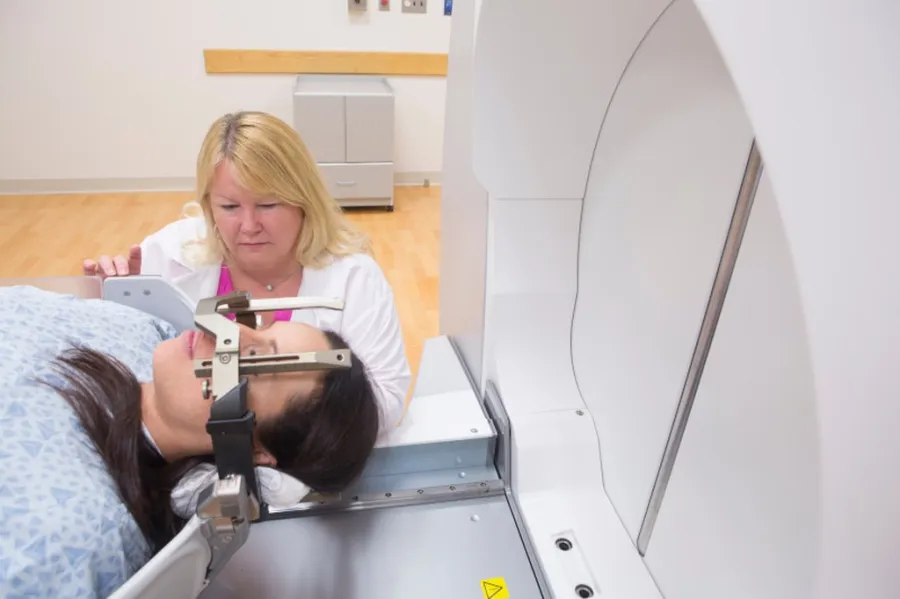
The article illustrates how these advances can come together in a single patient's journey. After advanced genetic testing revealed that her tumor carried a high risk of metastasis, her care team treated the cancer with Gamma Knife while closely monitoring her over time. As the disease progressed, specialists in ocular oncology, radiation oncology and medical oncology worked together to adapt her treatment plan, ultimately connecting her with a clinical trial after the cancer spread to her liver.
The case also underscores the importance of coordinated, multidisciplinary care for patients with rare cancers. By combining expertise across specialties with emerging technologies and new treatment approaches, physicians can tailor care to each patient's unique disease and needs.
"Choroidal melanoma is a rare cancer, but every patient's disease is different. Today's genetic testing and precision treatment options allow us to better understand each patient's risk, personalize care and, when appropriate, connect patients with promising clinical trials that continue to expand what's possible."
Shilpa Desai, MD
The publication also includes the patient's perspective, offering an honest account of living with a rare cancer and emphasizing the value of compassionate, team-based care throughout diagnosis, treatment and survivorship.
The article, Radiation Therapy, Cytogenetic Prognostication, Novel Systemic Chemotherapy, and Patient Perspective in an Adult with Choroidal Melanoma, was published in CA: A Cancer Journal for Clinicians. In addition to Desai, authors include Kevin Card, MD; Rizwan Haq, MD, PhD; and John Mignano, MD, PhD.