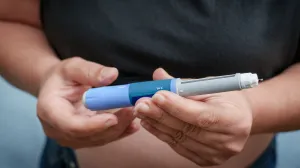
GLP-1 medications, like Ozempic, Wegovy and Zepbound, are changing the game for weight management and diabetes care. These treatments are no longer just a topic in doctors’ offices—they’re sparking conversations online, on social media and in everyday life, as many of us look for smarter ways to manage cravings, blood sugar and our overall health.
One trend gaining attention is microdosing GLP-1 medications. But what does this term actually mean? Is it safe? And does it work?
Let’s break it down, with help from Caitlin Polistena, MD, FACS, Medical Director, Bariatric Surgery Program at Lowell General Hospital and diplomate of the American Board of Obesity Medicine (DABOM).
What is a GLP-1 medication?
GLP-1 receptor agonists are medications that mimic a natural hormone called glucagon-like peptide-1. They help regulate blood sugar, slow stomach emptying and signal fullness to the brain.
In practical terms, they can:
- Reduce appetite
- Help people feel full sooner
- Lower blood sugar
- Support weight loss
Many patients also describe a reduction in “food noise”—that constant mental chatter about what to eat, when to eat or cravings that feel hard to ignore.
What does “microdosing” GLP-1s mean?
Microdosing typically refers to taking a smaller-than-standard dose of a medication, often lower than the FDA-approved maintenance dose.
With GLP-1 medications, this might mean:
- Staying on a very low starter dose long term
- Using less than what’s prescribed
- Spacing out injections beyond recommended intervals
It’s important to note that “microdosing” is not a formal medical term, and there aren’t established clinical guidelines supporting it as a weight-loss strategy.
Why are people interested in microdosing?
There are a few common reasons:
- Fewer side effects.
Nausea, constipation and reflux are common when starting GLP-1 medications. Some people hope lower doses will minimize these effects. - Cost concerns.
These medications can be expensive. Some individuals try to stretch doses to make prescriptions last longer. - Targeting food noise rather than major weight loss.
Some patients say they don’t want dramatic weight loss—they simply want relief from persistent cravings or obsessive thoughts about food.
Dr. Polistena adds, “For many, the primary goal isn’t massive weight loss—it’s about regaining control over food-related thoughts and behavior. A quieter mind around food can feel just as powerful as weight loss itself.”
Does microdosing GLP-1s work?
The honest answer: we don’t have strong research showing that very low doses are effective for sustained weight loss.
Most clinical trials for GLP-1 medications, like Wegovy and Zepbound, studied specific dose ranges. The most significant weight loss occurred at full therapeutic doses, not lower doses.
“That said, some patients do report reduced appetite and quieter food noise at lower doses, but the real question is whether these effects are strong enough to produce long-term health benefits,” says Dr. Polistena.
Is microdosing safe?
Lower doses may reduce side effects, but safety isn’t just about how you feel day to day.
Potential concerns include:
- Inconsistent blood sugar control in people with diabetes
- Under-treatment of obesity-related health conditions
- Using medication without medical supervision
- Improper dosing from compounded or non-regulated sources
Any adjustment to a GLP-1 medication should be done in partnership with a licensed clinician.
What is “food noise” and why does it matter?
“Food noise” is a term many patients use to describe intrusive or persistent thoughts about food. It can feel like:
- Constant planning around meals
- Strong cravings even after eating
- Difficulty focusing because of thoughts about food
GLP-1 medications appear to affect appetite regulation centers in the brain, which may explain why many people report that food noise quiets down. For some, that mental relief feels just as significant as weight loss on the scale.
Who might benefit from a lower dose?
In some cases, clinicians intentionally keep patients on lower doses if:
- They are highly sensitive to side effects
- They achieve metabolic improvements at lower levels
- They are transitioning off the medication
But this is individualized medical decision-making—not a one-size-fits-all trend.
Should you try microdosing?
If you’re curious about microdosing GLP-1s, the first step is a conversation with your doctor. Together, you can discuss:
- Your weight and metabolic health goals
- Side-effect concerns
- Cost and insurance coverage
- Whether medication is appropriate in the first place
“For some people, lifestyle changes alone may be enough,” says Dr. Polistena. “For others, full-dose GLP-1 therapy may be necessary. And for a smaller group, a carefully monitored lower dose might be a good option.”
The bottom line
GLP-1 medications are powerful tools—but they work best when used thoughtfully and under medical supervision.
Microdosing is trending online, especially in conversations about reducing food noise or avoiding side effects. But trends don’t replace evidence.
If you’re considering a GLP-1 medication—or adjusting your current dose—talk with your clinician. The right plan is the one that safely supports your long-term health, not just what’s popular right now.