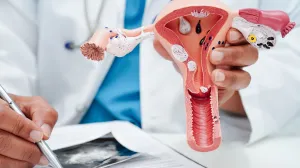
When should you visit the gynecologist for the first time?
The American College of Obstetricians and Gynecologists (ACOG) recommends scheduling your first gynecology visit sometime between ages 13 and 15—or before you become sexually active, if possible. Think of this first visit as a chance to get to know your healthcare clinician, ask questions and talk about your health in a comfortable, supportive setting.
If you need an exam during your visit, you can always ask to have a nurse or a family member in the room with you for any part of it. Exams typically include:
- A general physical exam (sometimes including a breast exam)
- A pelvic exam, only if it’s needed
Most teens don’t need a pelvic exam at their first visit unless there’s a specific concern or you’re considering an IUD. If you’re sexually active, your doctor may recommend tests for sexually transmitted infections (STIs). Many of these tests can be done with just a simple urine sample.
Why do gynecological visits matter for your overall health?
Gynecological care is about so much more than just reproductive health—it’s an important part of taking care of your whole body. These visits give us a chance to talk about things like birth control, menstrual health and cervical cancer screening, but also about everyday wellness topics such as nutrition, exercise and even skin protection. Regular check-ups help us catch small issues early, before they turn into bigger concerns and give you a safe space to ask questions about your body and health.
Who should get regular visits to the gynecologist?
Some people may need to check in more often. If you have a family history of breast or ovarian cancer, or a past diagnosis like pelvic inflammatory disease or endometriosis, more frequent visits can help us stay proactive about your health. Regular appointments are also especially important if you’re sexually active, pregnant or noticing symptoms such as abnormal bleeding or pelvic pain. And if your periods are so painful they keep you from doing the things you love or need to do, that’s a sign to come in—we’re here to help you feel your best.
How long does a visit take?
Typically, a first visit can take anywhere from 30 minutes to an hour.
What to expect step by step:
- Check-in and paperwork: You'll complete any necessary forms and provide your medical history.
- Initial consultation: You'll discuss your health concerns, medical history and any questions you may have.
- Physical exam (if necessary): Depending on your age and medical history, a physical exam may be performed. The aspects of the exam will be discussed with you.
- Discussion and planning: Your doctor will discuss the findings, provide guidance and outline a plan for future care.
What happens if I need an exam?
If you need an exam, it could involve a breast exam and a pelvic exam. The pelvic exam may include a Pap test (also called a Pap smear), which is used to screen for cervical cancer, and is typically performed starting at age 21. Your doctor will explain each step of the process and ensure you're comfortable throughout the examination.
What's a pelvic exam?
Even though you may not have a pelvic exam, it helps to know what one is. The pelvic exam has three parts:
- Looking at the vulva
- Looking at the vagina and cervix with a speculum
- Checking the internal organs with a gloved hand
To check your internal organs, the doctor will place one or two gloved, lubricated fingers into the vagina and up to the cervix. The other hand will press on the abdomen from the outside.
Understanding cervical cancer screening: Pap tests and HPV testing
Cervical cancer screening is an essential part of women's healthcare. If you're 21 or older, you may get a Pap test, an HPV test or both.
- A Pap test checks for abnormal cell changes in the cervix that could lead to cancer.
- An HPV test looks for the human papillomavirus, a virus that can cause cervical cancer. Specifically, it identifies the types of HPV likely to lead to cancer.
What should I expect during a cervical cancer screening?
During either test, your doctor will gently collect a sample of cells from your cervix using a small brush. These cells are then examined for any abnormal changes or signs of HPV.
Why do I need to get cervical cancer screening?
Regular cervical cancer screening can help detect potential issues early, when they're more treatable. By understanding what these tests involve and why they're important, you can be more proactive in maintaining your reproductive health.
What questions will I be asked?
You'll be asked about your medical history, menstrual cycle, sexual activity and any symptoms or worries you may have. Be prepared to discuss your health habits, including your use of contraception and any medications you're taking. You'll also be asked about the health of your family members, such as siblings, parents and grandparents.
What are some questions I can ask my gynecologist?
This is your opportunity to get clarity on any concerns you may have and receive personalized advice. Some things you may want to cover, include:
- Contraceptive options
- Managing menstrual cramps
- Acne
- Weight
- Sex and sexuality
- Birth control
- STIs
- Alcohol, drugs and smoking
- Emotional ups and downs
How can I prepare for a visit to the gynecologist?
To prepare, make a list of your questions and concerns, and don't hesitate to ask them during your visit. It's also helpful to bring any relevant medical records, a list of your medications and information about your menstrual cycle and sexual activity. Being open and honest with your doctor will help ensure you receive the best possible care.
By being informed and prepared, you can make the most of your first visit to the gynecologist and establish a positive relationship with your doctor. Remember, taking care of your reproductive health is an essential part of maintaining your overall well-being.