Why mammograms matter more than ever
Mammograms are one of the most important tools for detecting breast cancer early, when it's most treatable. In fact, regular screening can reduce the risk of dying from breast cancer and has helped decrease death rates over the past 30 years.
Who needs a mammogram?
- Women age 40 and older
- Anyone who notices a lump, pain or other changes in their breast
- Those with a family history of breast cancer
- People with dense breast tissue
- Those who had their first child after age 30, or who have never had children
- People with BRCA1, BRCA2, or other gene mutations linked to breast cancer
- Anyone who has had breast cancer or certain non-cancerous breast conditions in the past
- Women from groups with a higher risk of breast cancer or mortality, including Black, Asian, Hispanic and Ashkenazi Jewish communities
- Those who’ve received radiation therapy to the chest, especially at a young age
What is a mammogram?
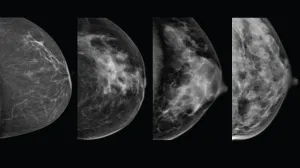
A mammogram is a low-dose X-ray of your breast tissue. It’s quick, safe and highly effective at spotting signs of breast cancer before symptoms appear.
There are 2 main types:
- Screening mammogram: A routine test to check for signs of cancer when you have no symptoms
- Diagnostic mammogram: A closer look when you have symptoms like a lump, pain or changes in your breast
When should I start annual screening mammograms?
There are different guidelines based on your risk level.
Average risk:
- Ages 40–44: You can start annual screening
- Ages 45–54: Annual mammograms are recommended
- Age 55 and older: You can continue yearly or switch to every other year based on your doctor's advice
Higher risk:
There are many factors that can affect your risk for breast cancer (including those listed above). People with higher risk need to start screening earlier or consider additional testing. Take a look at these resources from the American College of Radiology and talk to your doctor to create a screening plan that’s right for you
What to expect on the day of your appointment
Step-by-step:
- Check-in: Arrive a few minutes early and check in at the front desk
- Changing area: You’ll change into a gown that opens in the front and store your personal items
- Remove deodorant: You may be asked to wipe off deodorant, lotion or powder, which can interfere with the images
- Waiting area: You’ll wait briefly in a private area until your technologist is ready
- The mammogram: A trained technologist will guide you through the process and take the images
- Before you leave: You’ll be told when to expect your results and when to return
What happens during the exam?
- You’ll uncover one breast at a time
- The technologist will position your breast between two plates that gently compress the tissue
- Each image takes about 20 to 30 seconds
- The process is repeated for the other breast
- Several images may be taken from different angles
What if I have dense breasts?
Breast density refers to the way your breast tissue appears on a mammogram. It’s completely normal and common—about 40 to 50 percent of women have dense breasts.
Dense breasts have more fibrous or glandular tissue and less fatty tissue. On a mammogram, this can make it more difficult to spot small tumors, since both dense tissue and cancers appear white on the image.
How do I know if I have dense breasts?
You can’t tell by how your breasts feel—density is only visible on a mammogram. Your radiologist will review your images and let you know if your breast tissue is considered dense. In many states, including Massachusetts, you’ll be notified in writing if you have dense breasts.
What does this mean for my care?
If you have dense breasts, your doctor might recommend:
- Continuing with regular mammograms
- Adding supplemental imaging, like a breast ultrasound or MRI, to get a more complete view
- Having more frequent screenings, especially if you have additional risk factors like a family history or genetic mutation
Having dense breasts doesn’t mean you will get breast cancer, but it does slightly raise your risk and makes early detection more challenging. That’s why staying informed and in regular contact with your doctor is key.
Myth: “Mammograms are unbearably painful.”
Truth: You might feel pressure, but the discomfort is brief. Most people describe it as uncomfortable, not painful.
How long does a mammogram take?
The entire visit takes about 30 minutes. The imaging itself usually takes just 10 to 15 minutes.
What questions will I be asked?
Before the exam, your technologist may ask about:
- Your family and personal medical history
- Any symptoms or concerns
- Previous breast conditions or surgeries
- Whether you have implants or medical devices
What questions should you ask?
This is your chance to speak up. Ask about:
- When and how you'll receive your results
- Any part of the process that’s unclear
- Any concerns or discomfort you may feel
Let your technologist know if you're feeling nervous—they're there to support you.
How to prepare before your mammogram
- Eat a snack or light meal. If you don’t eat or are nervous, your body may experience a vasovagal reaction and you may be more likely to faint.
- Don’t wear deodorant, lotion, perfume or powder on the day of your appointment. These can interfere with the imaging
- Wear a two-piece outfit so you only need to remove your top
- Bring a list of any symptoms or questions you may have
How much does a mammogram cost?
- Screening mammograms are covered by most insurance plans for women over 40
- In Massachusetts, free mammograms may be available for eligible residents through the Massachusetts Breast and Cervical Cancer Program
- Without insurance, a screening mammogram can cost between $286 and $549. Diagnostic mammograms may cost more
Feeling nervous?
You’re not alone—many people feel anxious before a mammogram. Here are a few tips:
- Take deep breaths before and during the exam
- Bring a friend or loved one for support
- Ask questions to help ease your concerns
A few things that might surprise you
- You'll likely get your results quickly
- You'll stay covered during the exam
- Only the technologist will be in the room
- The process is private and respectful
- You’ll walk away feeling empowered and informed
Bottom line: You can do this
A mammogram might feel intimidating at first, but it’s one of the best ways to take charge of your health. It’s quick, it’s safe and it could help detect breast cancer early—when it's most treatable.
After your appointment, you’ll know you did something important for your well-being. And that’s something to be proud of.
Did you know you can use myTuftsMed to schedule a mammogram appointment online and hassle-free at most Tufts Medicine locations?