Many people recognize the acronym BE FAST - Balance, Eyes, Face, Arms, Speech and Time - used to identify common stroke symptoms. But according to specialists, the signs can sometimes be subtle, especially for the person experiencing the stroke.
On an August night in 2024, Kerry's brother noticed that she was having difficulty speaking clearly and was not making sense during conversations. Concerned, he urged her to call 911. Kerry, however, felt nothing was seriously wrong and went to bed.
The following morning, co-workers at the ambulatory center south of Boston where Kerry works as a nurse immediately recognized confusion and speech problems and called emergency responders.
Looking back, Kerry said she was in such a profound "brain fog" that she could not recognize her own speech difficulties or impaired thinking.
"I was not thinking rationally and wasn't able to understand what was happening," she said. "Because of that, several hours passed before I was able to receive care."
Working against the clock
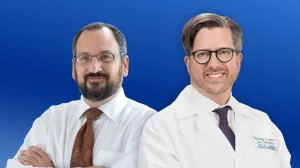
According to Lester Y. Leung, MD, MSc, Chief of Stroke and Cerebrovascular Diseases and Director of the Comprehensive Stroke Center at Tufts Medical Center and Associate Professor at Tufts University School of Medicine, it is not uncommon for stroke patients to miss their own symptoms.
"We find this especially in patients living alone or experiencing cognitive changes during the stroke itself," Dr. Leung said. "The injury to the brain is preventing them from recognizing that something is wrong, and it can lead to a delay in seeking medical care. That said, it is incredibly important to know the symptoms of stroke, for both you and others around you, to have the best chance at reducing the impact a stroke can have."
By the time Kerry arrived at Tufts Medical Center, many hours had passed since her symptoms first began. Because the effectiveness and risks of stroke treatment are highly time-sensitive, Dr. Leung and the other physicians on the Stroke Team carefully weighed options for Kerry. She had lost her speech and vision and had developed paralysis in her right side. Fortunately, she was still eligible for an emergency procedure called thrombectomy where a neurosurgeon can remove the clot blocking blood flow to her brain.
"Stroke survival and recovery depend on rapid treatment, including quickly getting to the right type of stroke center that can provide the right type of treatment needed for your type of stroke," said Dr. Leung. The stroke team conducted a thorough exam to determine Kerry's situation and begin to formulate a plan.
A team approach
"At Tufts Medical Center we use a multidisciplinary approach, bringing together a team of experts of neurologists, neurosurgeons and vascular surgeons to make individualized decisions for each patient. This approach proved to be critical in Kerry's care."
Doctors determined that Kerry's stroke was likely caused by atherosclerosis - plaque buildup in her left carotid artery that restricted blood flow to the brain. Kerry's initial procedure, thrombectomy, was successful, meaning that very little brain tissue was hurt by the stroke. Because of this, she was a candidate for early carotid endarterectomy, a vascular surgery procedure that removes plaque from the carotid artery to help prevent future strokes.
Kerry's procedure was successful, greatly reducing her risk of future stroke. The next step was her recovery, which began to take shape. She regained her speech and vision and the paralysis was mostly gone.
Lingering effects and long-term care
Following hospitalization and rehabilitation, Kerry experienced some lingering neurological effects, including some weakness on her right side and tremors affecting her handwriting.
Dr. Leung explained that many stroke survivors develop late complications after stroke, sometimes emerging weeks, months or even years later. One of these is vascular parkinsonism which can include slowed movement, rigidity and balance difficulties. "We've found at our center and through research that most stroke survivors develop late complications, most of which can be treated or addressed by neurologists. We believe that our patients benefit from long-term follow-up," he said.
Dr. Leung is quick to point out how happy he is that Kerry had a good outcome and is doing well. Today, Kerry continues receiving ongoing care from Dr. Leung and his team.
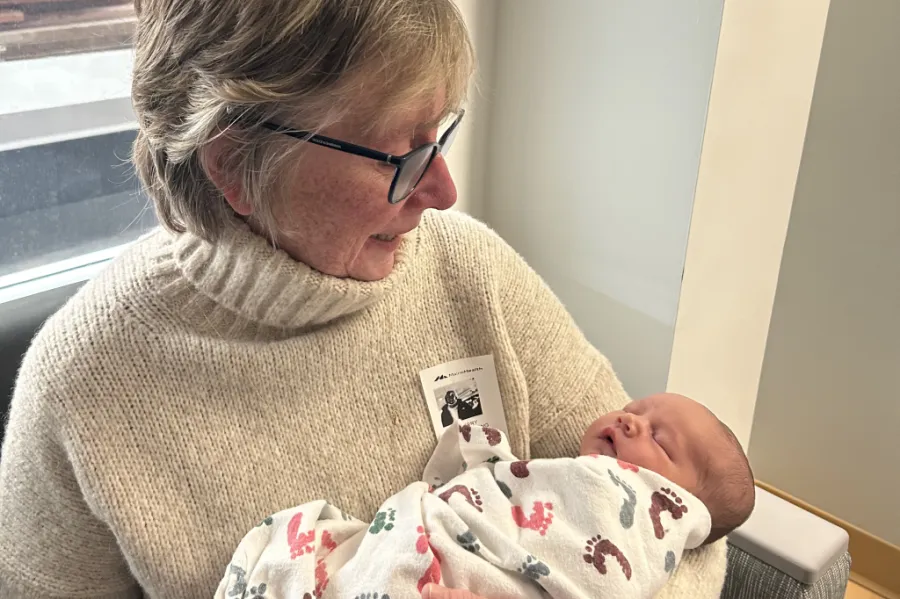
"I feel like I'm being watched over, and that is comforting," she said. "Dr. Leung told me that I am his patient for life. I'm grateful for that level of care and for all they've done for me. The great care I received at Tufts Medical Center allowed me to meet my first grandchild this past January."
At Tufts Medicine, our Comprehensive Stroke Center delivers rapid diagnosis, advanced clot-removal procedures like thrombectomy, specialized vascular surgery and long-term neurological follow-up care.