Winter is in the air and it’s time to pull out the hats and gloves. It’s also time to check in with your heart health. Cold temperatures make your body work a little harder to stay warm, and that extra effort can put added strain on your heart. Whether you’re heading out to shovel, taking a chilly walk or simply getting used to shorter, colder days, it helps to know how winter weather can affect your heart. A few simple steps can go a long way in keeping you comfortable, safe and heart healthy all season long.
How cold weather affects your heart
Cold temperatures make your body work harder to stay warm, and that extra effort affects your heart. Larry Conway, MD, interventional cardiologist at MelroseWakefield Hospital and Assistant Professor at Tufts University School of Medicine, explains that this increased workload can raise your heart rate and blood pressure. As your heart works harder and requires more oxygen, the added strain can sometimes pose a risk, especially for those with existing heart conditions.
For people who already have heart conditions or certain risk factors, the extra workload on the heart can be more than it can handle. This strain can lead to cardiac ischemia, a condition where the heart muscle doesn’t receive enough oxygen-rich blood. When the heart is deprived of oxygen, it may not pump as efficiently, which can cause chest pain, shortness of breath or other warning signs. In more serious cases, this lack of oxygen can trigger a heart attack, a medical emergency that requires immediate attention. Understanding these risks and taking simple precautions during cold weather can help protect your heart and reduce the likelihood of complications.
Who is at higher risk during winter months?
Anyone can feel the effects of cold weather on the heart, but some people should be especially cautious. You may be at higher risk if you have:
- A history of heart disease
- Stents or previous cardiac procedures
- High blood pressure or diabetes
- A family history of heart disease
- A history of smoking
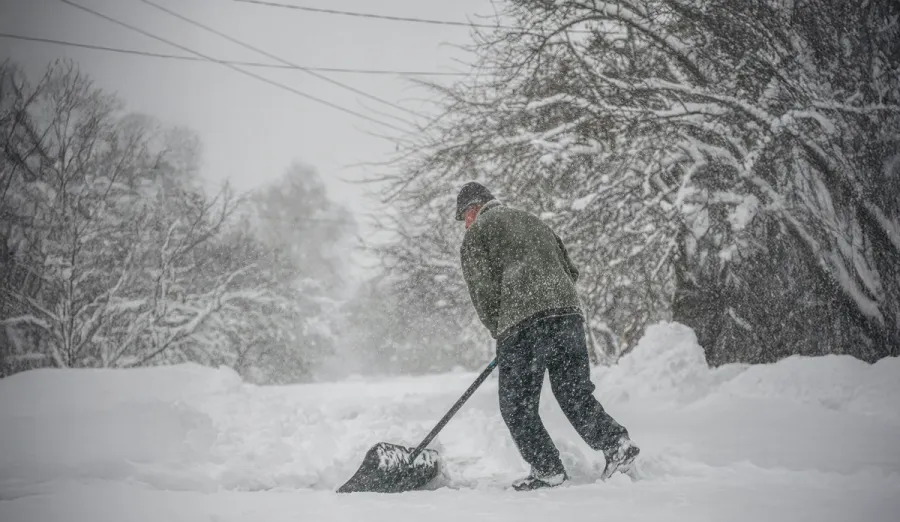
People who don’t exercise regularly are also at greater risk. Activities like snow shoveling can be particularly challenging. Even walking quickly to escape the cold can put unexpected stress on the heart if you are not used to that level of activity.
How to protect your heart this winter
Simple precautions can help you stay safe throughout the colder months.
- Dress warmly in layers
- Wear a hat and scarf to reduce body heat loss
- Avoid heavy snow shoveling if you have heart disease
- If you must shovel, push snow rather than lifting it
- Be careful not to overdress since overheating can cause a sudden drop in blood pressure
- Avoid drinking alcohol before going outside because it can mask signs that your body is under strain
- Listen to your body and take breaks if anything feels unusual
Symptoms to watch for
Know the warning signs of heart trouble, especially during cold weather. Chest pain is the most common symptom, but it is not the only one. Pay attention to:
- Pressure or squeezing in the chest
- Shortness of breath
- Pain or discomfort in the arms, back, neck, jaw or stomach
Women may experience symptoms that are more subtle or different from classic chest pain. It’s important not to ignore any unusual signs.
When to seek medical care
It’s important to listen to your body, especially during the colder months when your heart may be under extra strain. If you notice any unusual or concerning symptoms, stop what you’re doing immediately and seek medical attention.
Early recognition and treatment of heart problems can make a significant difference. Acting quickly can help prevent more serious complications, including a heart attack. Even if you’re unsure whether your symptoms are heart-related, it’s always safer to call 911 or seek emergency care. Prompt evaluation by a clinician can save your life and give you peace of mind.