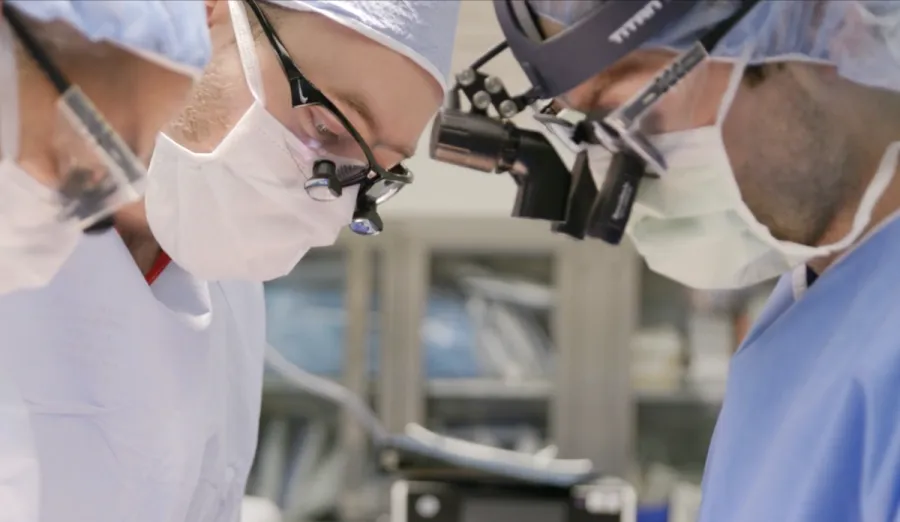
Choosing a heart surgeon is one of the most important health decisions you may ever make. Whether you’re facing heart surgery for the first time or seeking a second opinion, it’s normal to feel overwhelmed and to want reassurance that you’re in the right hands.
While credentials and experience matter, the best heart surgeon for you is someone who combines expertise, compassion and a team-based approach to care. Cardiac surgeon Siva Venkata, MD, MBBS, MRCS, Tufts Medicine, shares the key factors to consider as you make your decision.
Experience and specialized training
When it comes to cardiac surgery, experience matters. Look for a surgeon who:
- Is board certified in cardiac or cardiothoracic surgery
- Has specific experience with the procedure you need
- Practices at a medical center with a strong cardiac surgery program
At Tufts Medicine, cardiac surgeons are highly trained in both traditional and advanced surgical techniques, including minimally invasive procedures and complex heart surgeries.
Access to advanced care and technology
Heart surgery outcomes are closely tied to the resources available at the hospital where care is delivered. Ask whether the program offers:
- Advanced imaging and diagnostic tools
- Minimally invasive or robotic-assisted surgery options
- Access to specialized cardiac intensive care units
A comprehensive heart surgery program ensures that if your needs change, the full spectrum of care is available in one place.
A team-based approach to heart care
The best heart surgeons don’t work alone. Cardiac surgery is supported by a coordinated team that may include:
- Cardiologists and interventional specialists
- Anesthesiologists and critical care physicians
- Specialized nurses and rehabilitation experts
This collaborative approach helps ensure safer surgery, smoother recovery and better long-term outcomes.
Clear communication and trust
Your heart surgeon should take the time to listen, explain and answer your questions. Pay attention to whether they:
- Explain your condition and treatment options clearly
- Discuss risks and benefits honestly
- Encourage questions and shared decision-making
Feeling heard and understood builds trust, and trust is essential when it comes to heart care.
Outcomes, safety and quality measures
It is appropriate to ask about outcomes and quality metrics. Strong heart surgery programs track:
- Surgical success rates
- Complication and infection rates
- Patient safety and recovery outcomes
Programs that prioritize quality and transparency are committed to continuous improvement and patient safety.
Support before, during and after surgery
Heart surgery does not end when the procedure is over. Look for a program that offers:
- Pre-surgery education and preparation
- Personalized post-operative care
- Access to cardiac rehabilitation and follow-up care
Ongoing support helps patients recover more confidently and return to daily life with greater peace of mind.
The bottom line
Choosing a heart surgeon is about more than credentials. It’s about finding a team you trust with your care. The right surgeon combines advanced expertise with compassion, clear communication and a commitment to treating you as a whole person.
At Tufts Medicine, our cardiac surgery team is dedicated to delivering expert, patient-centered heart care using advanced techniques and a collaborative approach designed around your needs.
If you or a loved one is facing heart surgery, we are here to help you take the next step with confidence.