A recent study published in the JAMA found that a structured parental support package significantly reduced postpartum burnout among physicians in training, highlighting the importance of workplace support during pregnancy and early parenthood.
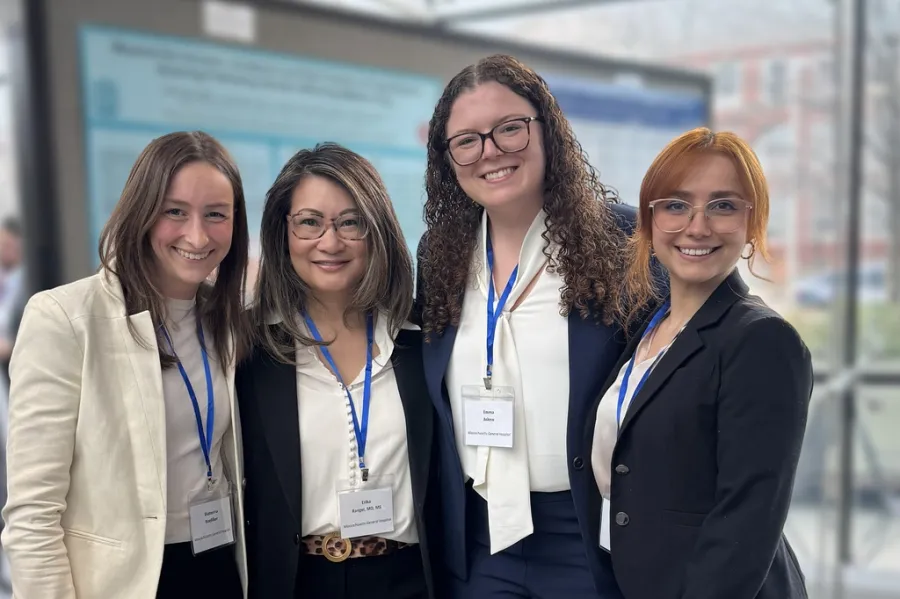
The study, “Pragmatic Parental Support to Mitigate Burnout Among Pregnant and Postpartum Trainees,” was co-authored by Atziri Rubio-Chavez, MD, a PGY1 resident in the Department of Surgery at Tufts Medical Center, in collaboration with senior author and principal investigator Erika Rangel, MD of Massachusetts General Hospital and Tufts Medical Center site investigator Amanda Cimsit, MD, colorectal surgeon at Tufts Medical Center and Assistant Professor of Surgery at Tufts University School of Medicine.
“Pregnancy and early parenthood can place enormous physical, emotional and professional demands on trainees,” said Dr. Rubio-Chavez. “This study shows that thoughtful, practical support systems can make a meaningful difference in helping physician parents feel connected, supported and able to continue thriving in their training.”
The randomized clinical trial enrolled 156 pregnant residents and fellows across seven medical centers in the northeastern United States between 2023 and 2024. Participants were assigned either to receive standard institutional support or a four-part parental support package that included a wearable breast pump, responsive smart bassinet, virtual perinatal care support and faculty mentorship from physician mothers in similar specialties.
Researchers found that burnout scores increased substantially among trainees receiving usual support, while burnout levels remained nearly stable among those who received the parental support package. The intervention also helped reduce relationship strain and support professional fulfillment during the postpartum transition back to clinical work.
Burnout among physicians in training has become an increasing concern nationwide, with prior studies linking it to medical errors, mental health challenges and workforce attrition. The authors noted that childbearing trainees often face additional barriers, including inadequate lactation support, sleep disruption and limited workplace flexibility.
The findings suggest that practical, scalable interventions may help improve physician well-being and retention during training, particularly for new mothers navigating the transition back to work after childbirth.
Clinical trials help bring new treatments, therapies and standards of care to patients faster. Explore ongoing research studies at Tufts Medicine and learn how clinical trials are shaping the future of care.