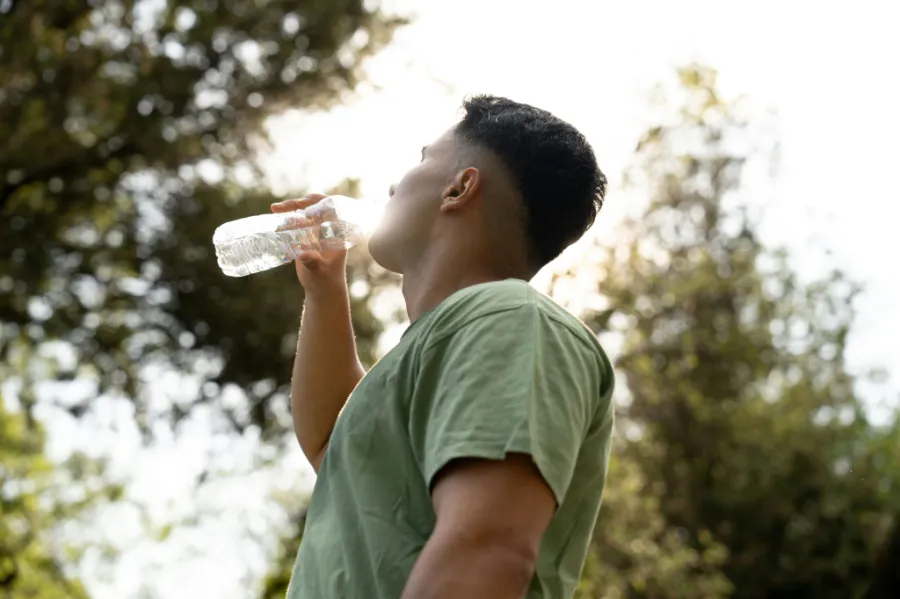
Summer in New England means getting outside to do the things we love, whether that’s cheering on the Red Sox at Fenway, hiking local trails, heading to backyard barbecues or spending the day at a music festival. But as temperatures rise, so does the risk of heat-related illness.
The good news? Most heat-related illnesses are preventable. A few simple habits can help you stay safe while enjoying everything summer has to offer.
Hydration is your first line of defense
When it’s hot outside, your body loses fluids quickly through sweat. Staying hydrated helps regulate body temperature, maintain energy and keep your body functioning properly. Simple ways to stay hydrated:
- Drink water consistently throughout the day, even before you feel thirsty
- Increase your water intake if you’re outside or physically active
- Check your urine color — pale yellow usually means you’re well hydrated
- Limit alcohol and sugary drinks, which can contribute to dehydration
Even mild dehydration can leave you feeling tired, dizzy or foggy, and it can happen faster than many people realize.
Smart habits to prevent heat illness
Your body works hard to stay cool. These simple precautions can make a big difference:
- Spend time in air-conditioned or shaded spaces when possible
- Plan outdoor activities for early morning or evening hours
- Take frequent breaks, especially during physical activity
- Wear lightweight, loose-fitting, light-colored clothing
- Use sunscreen and wear a hat to protect yourself from direct sun exposure
These habits are especially important during heat waves and humid days, when it becomes harder for the body to cool itself naturally.
Know the signs of heat exhaustion
Heat exhaustion happens when the body becomes overwhelmed by heat and fluid loss. Recognizing the symptoms early can help prevent a more serious emergency. Watch for:
- Heavy sweating
- Weakness, fatigue or dizziness
- Headache
- Nausea or vomiting
- Muscle cramps
- Cool, clammy skin
What to do: move to a cool place, rest and drink water or an electrolyte beverage. If symptoms don’t improve quickly, seek medical care.
Heat stroke is a medical emergency
Heat stroke occurs when the body can no longer regulate its temperature and requires immediate medical attention. Call 911 right away if someone has:
- A temperature of 103°F or higher
- Confusion or unusual behavior
- Hot, dry skin (though sweating can still occur)
- A rapid pulse
- Fainting or loss of consciousness
While waiting for help, move the person to a cooler place and use cold water or ice packs to help lower body temperature. Do not give fluids if the person is not fully alert.
Heat exhaustion vs. heat stroke: What’s the difference?
These conditions are often confused, but knowing the difference can help you respond quickly.
Heat exhaustion
- The body is struggling to keep up with heat and fluid loss
- Symptoms include heavy sweating, dizziness, nausea, fatigue, headache and clammy skin
- Treatment includes cooling down, resting and hydrating
- Medical care may be needed if symptoms don’t improve within about an hour
Heat stroke
- The body loses the ability to control its temperature
- Symptoms include confusion, fainting, high fever, hot skin and rapid pulse
- This is a medical emergency that requires calling 911 immediately
Common heat safety myths
There are a lot of misconceptions about heat and hydration. Here are a few common myths:
“I’ll drink water when I’m thirsty.”
By the time you feel thirsty, you may already be dehydrated. Try sipping water regularly throughout the day.
“If I’m sweating, I’m fine.”
Not necessarily. Heavy sweating can actually be a warning sign that your body is under stress.
“It’s not that hot, so I’m safe.”
Humidity matters too. Even moderately warm days can increase the risk of heat illness.
“Only older adults need to worry.”
Heat illness can affect anyone, especially children, athletes and people spending extended time outdoors.
“Sports drinks are always better than water.”
For most people, water is enough. Electrolyte drinks can help during prolonged intense activity, but many contain added sugar.
Who is most at risk?
Some people are more vulnerable to heat-related illness and should take extra precautions:
- Adults over 65
- Infants and young children
- People with heart, lung or kidney conditions
- Those taking certain medications, including some for blood pressure, allergies or mood disorders
- Athletes and people who work outdoors
If this includes you or someone you care for, staying cool and hydrated is especially important.
When to check in with a doctor
Seek medical care if:
- Symptoms don’t improve within 30–60 minutes
- You can’t keep fluids down
- You feel confused, faint or extremely weak
- You think it could be heat stroke
A few simple steps, like drinking enough water, taking breaks and recognizing the warning signs, can go a long way toward keeping you safe this summer.
Enjoy the season and take care of yourself and others while spending time outdoors.
Stay well in every season—your primary care provider can help.