A cancer diagnosis brings with it a flood of questions about treatment, side effects and what you can do to help your body through it all. Nutrition is one area where patients often feel uncertain, especially once chemotherapy begins and appetite, taste and energy levels start to change. Heather Dahle, RD, a registered dietitian at the Tufts Medicine Cancer Center in Stoneham, answers some of the most common questions patients have about nutrition during treatment.
Q: What should patients focus on eating during chemotherapy?
Adequate nutrition during chemotherapy is critical for maintaining your strength, preserving lean muscle and supporting your immune system. Proper intake helps your body repair healthy tissues, reduces the severity of side effects like fatigue and nausea and ensures you can tolerate your prescribed treatment schedule.
The first thing to understand is that nutrition priorities can change during active treatment. The main goal may not be a perfectly balanced plate.
"During active treatment, the primary goal is to eat enough,” said Dahle. “We focus on getting adequate calories, protein and fluids to help the body heal and recover. Sometimes that means choosing foods you wouldn't normally think of as healthy, and that's okay."
That might mean chicken nuggets for dinner because they're high in protein and sound appealing, or a milkshake-style protein shake with ice cream blended in because it's a palatable way to get calories in when your appetite isn't great. "I'm often reminding people that yes, long term we're going to focus a lot on plant foods and balanced nutrition, but during treatment we prioritize enough calories, enough protein, and adequate fluids."
Q: Which nutrients are most important during treatment?
Carbohydrates, protein and fat all play a role during chemotherapy. Those are the three macronutrients that are providing energy and fuel for your body to heal, repair, recover” explained Dahle.
The body functions best with all three. Restrictive diets, including fad diets, fasting or cutting entire food groups during treatment is not recommended. These can lead to dangerous weight loss, and deficiencies. One caveat: Sometimes certain foods will be limited or avoided for a short time to help manage common side effects. For example, greasy/fatty foods or certain fiber may be limited because they can worsen nausea or diarrhea," she notes.
Q: What if I don't feel like eating?
Some of the most difficult days during chemotherapy are the ones when eating feels almost impossible—when nausea is overwhelming and even the smell of food is unappealing. Focusing on easily digestible foods can help ensure adequate nutrition.
"I know it's incredibly hard to eat when you don't feel good," said Dahle. “Even a few bites are better than nothing. Every bit of nutrition helps, so don't be discouraged if you can only eat small amounts."
Recommended strategies for difficult days:
- Aim for 5-6 small meals or snacks/day.
- Prioritize protein-dense, low volume foods. For example, Greek yogurt, protein shakes or smoothies, bone broth, eggs, and cottage cheese all provide easily digested protein.
- Stay hydrated: Sip water and other fluids throughout the day. Broth, herbal tea, Gatorade, popsicles, etc all count as fluids.
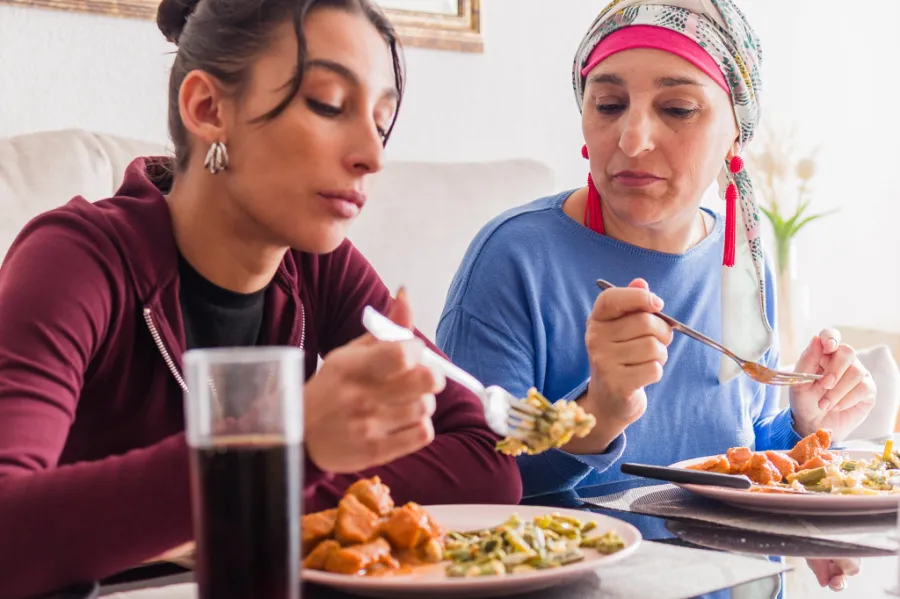
She also encourages patients to think about how they eat, not just what they eat. Eating with other people, going out to a favorite restaurant when energy allows or simply making meals more enjoyable can all make a difference. "Just doing things to make the food more enjoyable if we can at all."
And when eating solid food feels like too much, drinking your nutrition is a practical alternative. "When you don't feel good, when your appetite's not great, drinking is one of the best ways to get some nutrition in." Dahle recommends commercial supplements like Ensure or Boost, or a homemade protein shake or smoothie, for patients who are eating less than usual.
Above all, she reminds patients that the hardest part won't last forever. "Most people generally start to feel better within a few weeks of finishing their treatment. It's not going to last forever."
Q: Are there foods I should avoid?
"If you're going to completely avoid one thing, make it alcohol. It doesn't provide nutritional benefits and is linked to increased cancer risk as well as heart disease, liver disease as well as other health issues. Processed meats are also associated with higher colon cancer risk, but there is nuance here. Increased risk of cancer from processed meats is seen with daily intake over time. An occasional deli sandwich is not generally a concern for most people and if a deli sandwich is one of the few foods you can tolerate, it's still a reasonable source of protein and nutrients."
Q: Is it true that sugar feeds cancer?
"That's one of the most common questions I hear, along with concerns about soy, organic foods, and artificial sweeteners,” said Dahle. “There's a lot of misinformation online, so I encourage patients to discuss nutrition questions with their care team or a registered dietitian instead of relying on internet myths."
To answer the sugar question: “Technically, yes, cancer cells use sugar (a carbohydrate) for fuel, just like every other healthy cell in the human body. The myth implied in the question is that you can starve cancer cells by eliminating sugar or carbohydrates. Unfortunately, you cannot selectively starve cancer cells. Cancer cells are highly adaptable; this is part of what makes them cancerous. If you stop consuming sugar, these cells will simply adapt to become efficient at using other nutrients for fuel.
Q: What should I eat after chemotherapy is over?
When chemotherapy is complete, the nutrition focus gradually shifts. Your body still needs extra protein for some time while it continues to heal, but as appetite returns and you begin to feel more like yourself, the goal moves toward preventative nutrition—the long-term habits that support overall health and help reduce the risk of recurrence.
"As you recover and your appetite returns, we gradually shift back to long-term healthy eating habits,” explained Dahle. “That means plenty of fruits, vegetables, whole grains, beans, legumes, and balanced meals that support overall health and may help reduce the risk of recurrence."
Q: What's the most important message you want patients to remember?
"Give yourself grace. Treatment is temporary, and most people begin feeling better within a few weeks after chemotherapy ends. Eat what you can, stay hydrated, and ask for help when you need it. Your care team is here to support you every step of the way."
If you are experiencing any difficulty eating during your treatment, ask to speak to a Registered Dietitian. They will be able to make specific recommendations to help you manage these symptoms and maintain your nutrition.