Lung cancer is the leading cause of cancer deaths in adults in the U.S., but annual lung cancer screenings increase the chance of catching signs of the disease early, before symptoms appear and save lives. We’re here to answer your questions about lung cancer risk factors, prevention, who needs to be screened and how screening works.
Q: What is lung cancer?
A: Lung cancer is the second-most common form of cancer and the number one cause of cancer-related deaths. There are two main types of lung cancer:
- Non-small cell lung cancer (NSCLC): About 80% to 85% of lung cancers are NSCLC and include the subtypes adenocarcinoma, squamous cell carcinoma, carcinoid and large cell carcinoma. NSCLC can be curable with early detection and treatment.
- Small cell lung cancer (SCLC): About 10% to 15% of all lung cancers are SCLC. This type of cancer spreads faster than NSCLC and grows quickly. This type of cancer is treatable but usually returns.
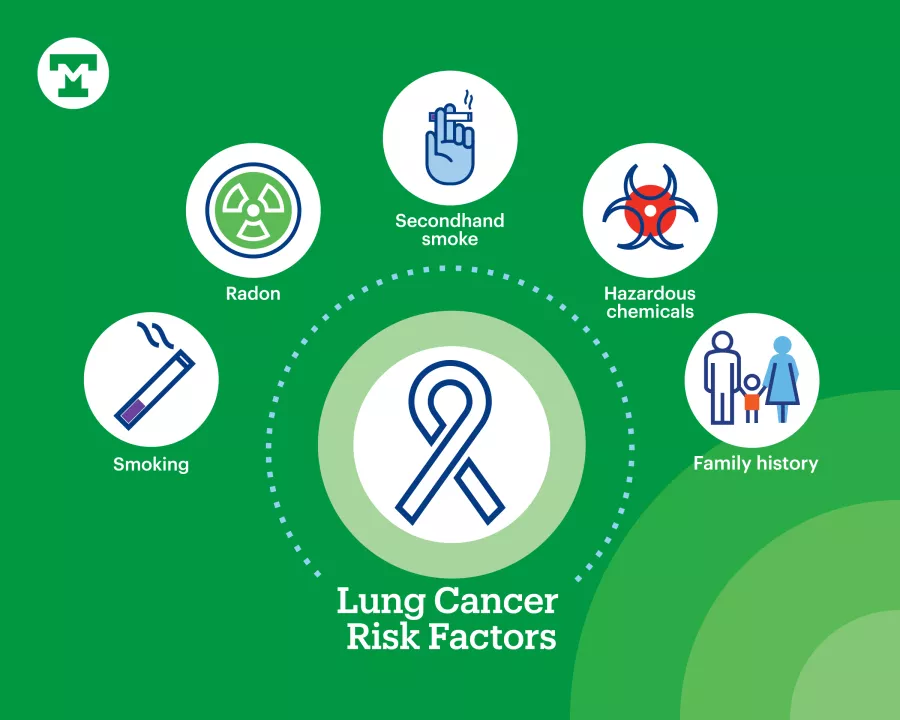
Q: What are the risk factors for lung cancer?
A: The main risk factor is smoking. Cigarette smoking is linked to 80% to 90% of lung cancer deaths in the United States. People who smoke have the greatest risk of developing lung cancer, with the risk increasing with the number of years and cigarettes smoked. Quitting smoking at any age lowers your risk. Other risk factors include:
- Indoor radon exposure
- Secondhand smoke exposure
- Family history of lung cancer
- Exposure to workplace chemicals and other toxins (asbestos, arsenic, diesel exhaust and forms of silica and chromium).
- Inflammatory diseases of the lung, such as chronic obstructive pulmonary disease (COPD), interstitial lung disease (ILD) and autoimmune disorders
Q: What are the symptoms of lung cancer?
A: Lung cancer cells grow in the lungs and can spread to other parts of the body. Symptoms typically don’t appear right away, but once they do appear, the disease has usually advanced.
Symptoms of lung cancer include:
- Arm, shoulder and neck pain
- Chest pain
- Chronic cough
- Coughing up blood
- Decreased appetite
- Headache with swelling of the face, arms or neck
- Hoarseness
- Fatigue
- Shortness of breath
- Weight loss
- Wheezing
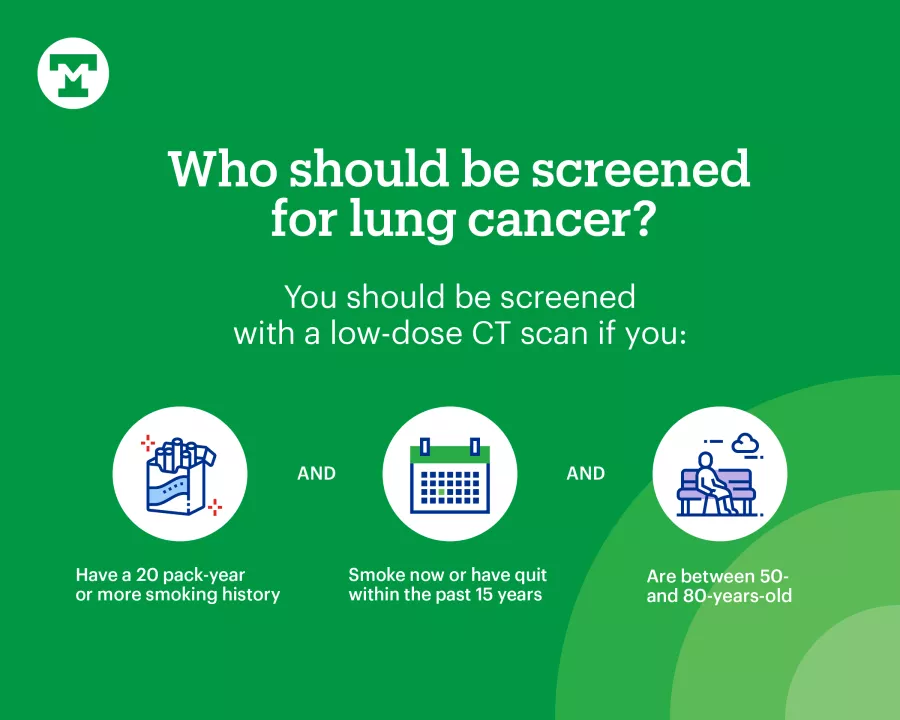
Q: Who should be screened for lung cancer?
A: You should be screened for lung cancer if you:
- Have a 20-pack-year or more smoking history, and
- Smoke now or have quit within the past 15 years, and
- Are between 50 and 80 years old
You should also speak to your doctor about screening if you’ve been exposed to second-hand smoke, carcinogens or environmental chemicals, or have multiple family members with lung cancer.
Q. How do you screen for lung cancer?
A: Early detection and treatment are key. At Tufts Medicine, we start with a low-dose CT scan to detect any nodules or abnormal spots on your lungs. If any abnormalities are found, we work quickly to get you to the next step in diagnosis and treatment. Often this may require further imaging, a biopsy or surgery.
Q: How can I lower my risk of lung cancer?
A: First and most importantly, don’t smoke. If you do smoke, quit. Here are other ways to protect your lung health and breathe easy:
- Avoid secondhand smoke
- Test your home for radon
- Avoid cancer-causing, toxic chemicals at work
- Eat a healthy diet
- Exercise
While lung cancer was once a deadly diagnosis, early detection through screening can save lives and recent therapeutics have improved treatment outcomes.
You will need a referral for a lung cancer screening appointment. If you think you may be at high risk for developing lung cancer, speak with your primary care clinician about whether a low-dose CT screening is right for you or call 617.636.LUNG for a referral.