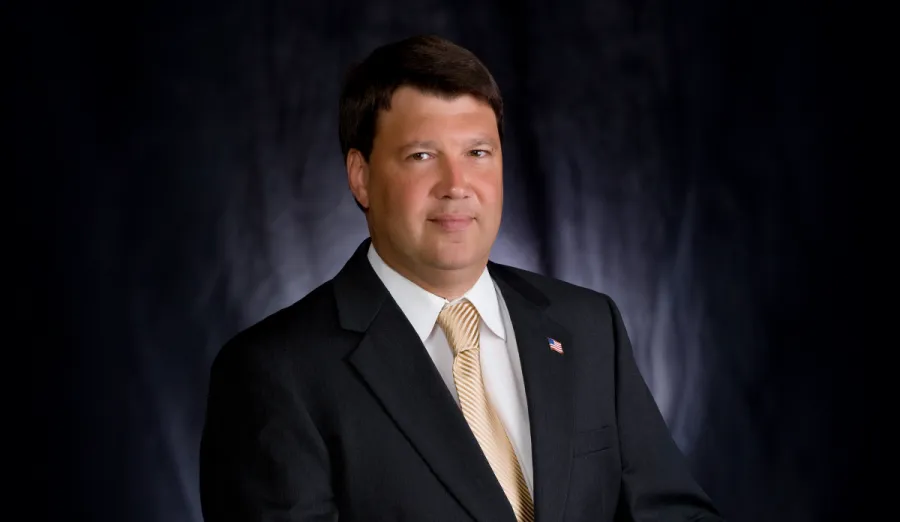
Hunt had been diagnosed with Barrett’s Esophagus, a condition in which the esophageal lining becomes damaged from acid reflux and can eventually become cancerous. In September, he noticed difficulty swallowing a steak sub. “At first, I thought I’d just scratched my throat,” he recalled. “But after a couple of weeks, I knew something wasn’t right and called my primary care doctor at MelroseWakefield Hospital.”
An endoscopy showed something suspicious. Further tests, including bloodwork, a CT scan and PET scan confirmed the diagnosis: esophageal cancer, an aggressive disease too often detected at a late stage.
Hunt began chemotherapy and radiation in 2022. Thankfully, the tumor shrank significantly, making him a candidate for surgery. He underwent a robotic esophageal resection at Tufts Medical Center, where the cancer was removed through a complex, minimally invasive procedure. His surgical team removed his esophagus and part of his stomach, then reshaped the remaining stomach into a tube to reconnect it to the upper esophagus—all performed robotically.
Each year, the thoracic surgery team at Tufts Medical Center performs dozens of these robotic esophageal surgeries. It’s a major surgery but the robotic approach spares patients large incisions in the neck and chest, allowing for a faster recovery and less discomfort.
After surgery, Hunt began receiving immunotherapy at Tufts Medicine Cancer Center—Stoneham—the first with esophageal cancer to receive this type of treatment. Hunt’s hematologist, Jiyuan Sun, MD, notes that this advanced cancer therapy offers Hunt a promising long-term outlook. “Immunotherapy has emerged as a game-changer for patients with aggressive cancers like David’s,” says Dr. Sun. “It’s especially effective when residual cancer remains after surgery.”
Today, Hunt continues his post-operative care at Tufts Medicine Cancer Center—Stoneham, with blood tests every six weeks, port flushes every 12 weeks, and a CT scan every six months to monitor for cancer recurrence. He also sees pulmonologist Maher Tabba, MD, Director of Interventional Pulmonary Services, to manage his lung health, and gastroenterologist Roshan Razik, MD, to monitor for any complications or functional concerns.
Though fatigue is the most common side effect, Hunt says he’s active, exercising and eating normally and is thankful for the care he’s received.
“There’s no question I wouldn’t be alive today if it weren’t for the team at Tufts Medicine,” he said. “From the surgeons and oncologists to the nurses and support staff—everyone worked together to make sure I got through this.”
Today, Hunt is 63 and while he’s partially retired, he continues to volunteer in his community—teaching overdose prevention, supporting local events with emergency response and speaking up about the opioid crisis through partnerships with schools and local agencies.
“I want people to know this isn’t a death sentence,” he said. “There’s always hope. I put my faith in science and the doctors and team who cared for me. My quality of life is great and I get to keep doing what I love.”