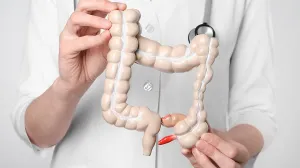
Recently, headlines about Deion Sanders, the University of Colorado football coach, drew national attention to bladder cancer after he underwent reconstructive surgery to treat an aggressive form of the disease. His care team performed a procedure called neobladder reconstruction, which involves creating a new bladder from a portion of the patient’s own small intestine—offering an alternative that preserves normal urinary function.
Deion’s story is bringing new visibility to a diagnosis that often flies under the radar and to the rapidly evolving options available to treat it. To understand what’s new in bladder cancer care and what alternatives patients may have, we sat down with Jairam Eswara, MD, Chief of Urology at Tufts Medical Center and a specialist in complex urologic reconstruction and cancer care.
Q: What’s been the standard approach to treating bladder cancer?
Dr. Eswara: For muscle-invasive bladder cancer, the traditional gold standard has been a radical cystectomy—removing the bladder completely. It's often necessary to stop the cancer from spreading. But it's also a life-altering surgery that comes with physical and emotional challenges, so it’s not the right path for everyone.
For non-muscle-invasive bladder cancer, which is more common, we often use a combination of transurethral resection (TURBT), intravesical therapies like BCG (a type of immunotherapy delivered directly into the bladder) and close surveillance.
Q: Are there alternatives to bladder removal?
Dr. Eswara: Yes—and that’s one of the most exciting areas of progress. We now have bladder-preserving protocols that can be just as effective for some patients. These include:
- Trimodal therapy, which combines limited surgery, chemotherapy and radiation to destroy the cancer while keeping the bladder intact.
- Targeted immunotherapies help the body’s immune system recognize and attack bladder cancer cells. These therapies are often used when BCG fails or when surgery isn’t an option.
- Clinical trials, including those at Tufts Medical Center, are testing new drug combinations and molecular profiling to tailor care even more precisely.
Q: How do you help patients decide which path to take?
Dr. Eswara: It’s incredibly personal. We look at tumor characteristics, a patient’s overall health and their lifestyle. Some people want the most aggressive treatment possible to maximize their chance of a cure, even if it means losing the bladder. Others prioritize quality of life or want to avoid major surgery. My job is to make sure they understand all their options, risks and outcomes.
Q: What are the signs and symptoms of bladder cancer that people should know?
Dr. Eswara: The most common symptom is blood in the urine, even if it’s only visible under a microscope. Other signs include urinary urgency, frequency or burning—especially if they don’t go away after antibiotics. If you notice any of those symptoms, talk to a doctor. Early detection really matters. People who smoke or who have smoked and those who have had exposure to certain chemicals are at greater risk of the disease.
Q: What should patients ask their urologist if they’re newly diagnosed?
Dr. Eswara: A few important ones:
- Is my cancer muscle-invasive or non-muscle-invasive?
- Do I qualify for bladder-sparing treatment?
- Are there clinical trials available to me?
- What will my quality of life look like after each treatment option?
And always ask, “Is this treatment plan designed for me or is it just the standard path?” You deserve a tailored approach.
Bladder cancer treatment is evolving fast and patients now have more options, more support and more hope than ever before. Whether you're newly diagnosed or looking for a second opinion, it’s worth exploring all your options with your team.