Hospitals receiving Cardiac Cath Lab Accreditation from the American College of Cardiology must take part in a multi-faceted clinical process. Improved methods and strategies of caring for patients include streamlining processes, implementing guidelines and standards and adopting best practices in the care of cath lab patients. Facilities that achieve accreditation meet or exceed an array of stringent criteria and have organized a team of doctors, nurses, clinicians and other administrative staff that earnestly support the efforts leading to improved patient outcomes.
American College of Cardiology Accredited Cardiac Cath Lab
The American College of Cardiology has recognized Lowell General Hospital for its demonstrated expertise and commitment in treating patients who come to a cardiac cath lab for care.
MENTIONED IN THIS PAGE:
You may be interested in

Articles
A New Gold Standard: How Tufts Medical Center is Expanding Access to Psychiatric Care for Patients with LVADs
July 8, 2026
Patients living with LVADs often face significant mental health challenges, yet access to inpatient psychiatric care has historically been limited due to the complexity of their medical needs. At Tufts Medical Center, close collaboration across cardiology, psychiatry, nursing, and hospital leadership is helping bridge that gap, expand access and set a new standard for more coordinated, patient-centered care.
On the Road with Tufts Medicine
Advanced Heart Care at Lowell General Hospital
June 29, 2026
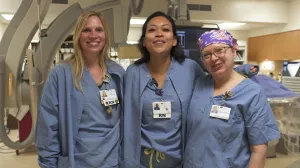
In this episode of On the Road with Tufts Medicine, Isabel visits the Tufts Medicine Lowell General Hospital cardiac catheterization lab to show how bringing advanced heart care closer to home makes a difference.

Articles
Research Spotlight: Building Precision Medicine That Works for Women
June 17, 2026
A new paper published in Science Advances by Chloe E. Bird, PhD, Director of the Center for Research on Women’s Health, Sex Differences and Population Health at Tufts Medical Center and Sara Murray Jordan Professor of Medicine at Tufts University School of Medicine, highlights a critical challenge in precision medicine: much of the evidence guiding today’s care does not adequately reflect the realities of women’s health.
