Neuromuscular disorders make it harder for your muscles and nerves to work together. They can make walking, talking or eating harder. We’re here to help you stay active, keep your muscles strong and keep living your life.
Neuromuscular Disorders
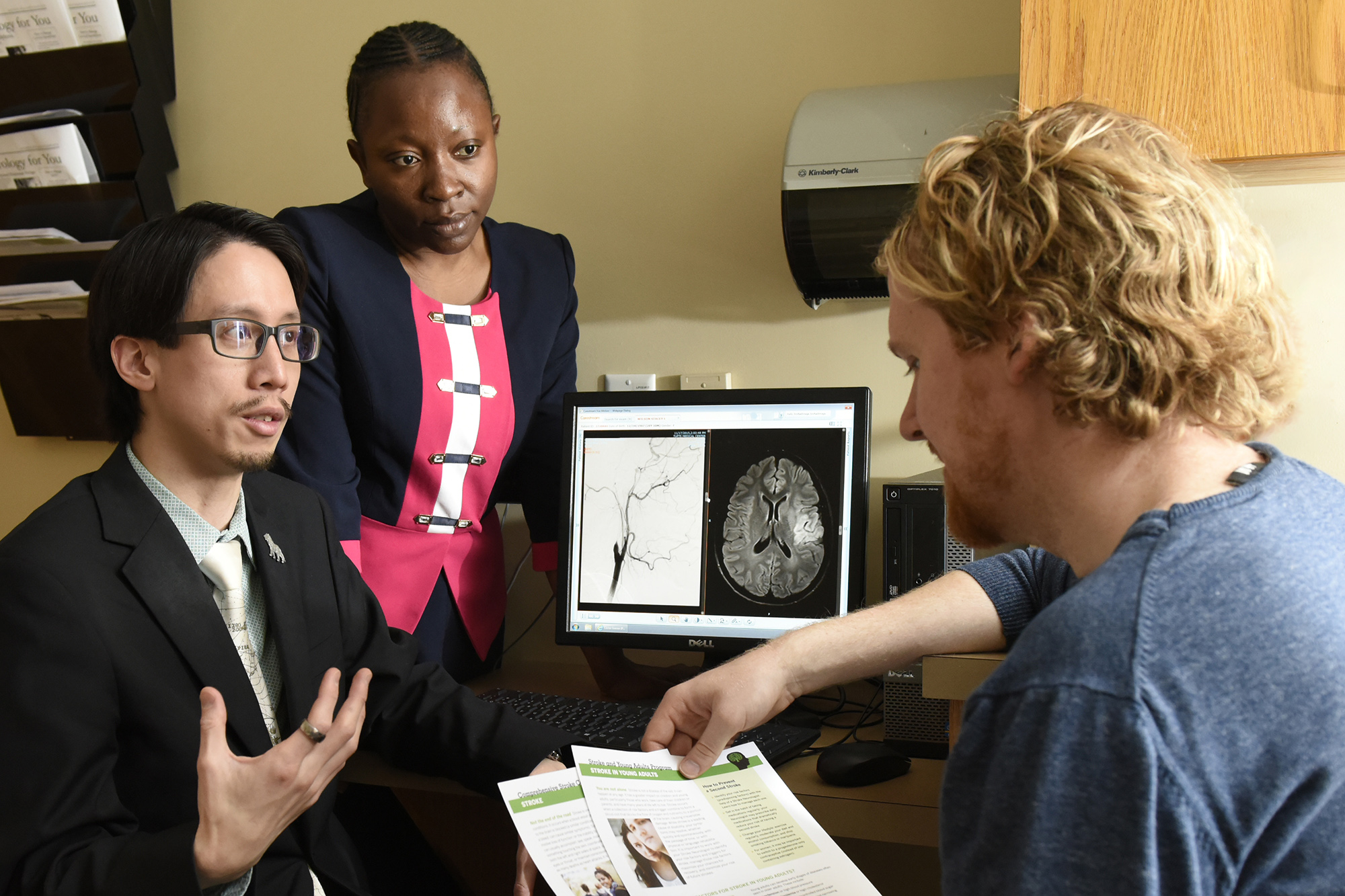


Muscle matters: Understanding neuromuscular disorders + treatment options
Finding out you have a neuromuscular disorder can feel scary. We’re here to help you understand what’s happening, create a care plan just for you, and answer your questions along the way.
Neuromuscular disorders affect how your nerves and muscles work together. When that connection is disrupted, muscles can get weaker over time. Causes can include inherited gene changes, inflammation, toxins, tumors or immune system problems. Sometimes the cause isn’t clear.
Symptoms can show up at any age and may be mild, more noticeable, or change over time. We focus on helping you stay strong, keep moving and do your daily activities. We guide you every step of the way so living with a neuromuscular disorder feels manageable.
Find a doctor near me

Conditions
Living with a neuromuscular condition can make daily activities harder, but the right care can help you stay strong, active and independent. Many neuromuscular conditions affect more than just muscles, so you’ll work with specialists across Tufts Medicine—from primary care and rehab to orthopedics, neurosurgery, rheumatology, eye care, urology and psychiatry—to get the support you need.
We care for a wide range of neuromuscular conditions, including:
- Amyotrophic lateral sclerosis (ALS): A condition that weakens the nerves controlling your muscles over time
- Autoimmune diseases: When your immune system attacks muscles or nerves
- Carpal tunnel syndrome: A nerve issue in the wrist that can make your hands weak or numb
- Guillain-Barre syndrome: When the immune system attacks nerves, causing weakness or tingling
- Myasthenia gravis: Makes it harder for nerves to tell muscles to move
- Myopathies: Diseases that weaken or damage muscles
- Peripheral neuropathy: Nerve damage outside the brain and spine that affects feeling and movement
With the right guidance and support, you can keep your strength, stay active and make daily life as normal and independent as possible.

Testing
Diagnosing a neuromuscular disorder can be tricky because many conditions affect nerves and muscles in similar ways. That’s why testing is so important. It helps us understand what’s happening, explain your symptoms, and create a care plan that’s right for you. Using the latest technology and expert knowledge, we carefully evaluate your nerves and muscles to guide the best next steps for your health and daily life.
Tests we may use include:
- Electromyography (EMG) and nerve conduction studies (NCS): Checks how well your nerves and muscles are working
- Forearm exercise test: A simple blood test before or after exercise to diagnose certain metabolic disorders
- Lumbar puncture (spinal tap): A small needle collects fluid from your spine to help with diagnosis
- Nerve and muscle biopsies: Small tissue samples are examined under a microscope to look for disease
- Punch skin biopsy: A painless test that removes a tiny piece of skin to measure nerve fibers
- Quantitative sensory testing (QST): Measures your ability to sense vibration or temperature and is often used for research
These tests help us understand your condition, guide your care plan, and support your strength, movement and daily life.

Treatments
Living with a neuromuscular disorder can feel challenging, but our specialists work with you to stay strong, active and in control of your daily life. We create a care plan that fits your condition, goals and lifestyle. While most conditions don’t have a cure, our therapies can ease symptoms, support your muscles and help you stay independent and energized.
Treatment options may include:
- Clinical trials: Access to new therapies under expert guidance
- Medications: To manage symptoms and help nerves and muscles work better
- Occupational therapy: Strategies to make daily activities easier and more comfortable
- Physical therapy: Exercises to keep muscles strong, flexible and moving
- Surgery: When needed to address nerve or muscle issues
We also work with your family so they can help support your care. Together, we help you stay active, empowered and confident every day.

FAQs
What are neuromuscular disorders?
Neuromuscular disorders are conditions that affect the muscles and the nerves that control them. They can cause muscle weakness, reduced movement and difficulties with coordination. Early diagnosis and treatment can help manage symptoms and keep you moving and independent.
What does “neuromuscular” mean?
“Neuromuscular” describes the connection between your nerves and muscles, how your nervous system tells your muscles to move. Neuromuscular disorders disrupt this communication, leading to muscle weakness and other related challenges.
What are some examples of neuromuscular disorders?
Common neuromuscular disorders include muscular dystrophy, amyotrophic lateral sclerosis (ALS), myasthenia gravis, peripheral neuropathy and spinal muscular atrophy. Each condition affects muscles and nerves differently and may need a personalized treatment plan.
What are the early signs of a neuromuscular disorder?
Early signs can include muscle weakness, twitching, cramps, stiffness or trouble with walking, climbing stairs or lifting objects. Changes in balance or coordination can also be warning signs. Spotting symptoms early helps your care team provide the right support quickly.
How are neuromuscular disorders diagnosed?
Diagnosis usually involves reviewing your medical history, physical and neurological exams and specialized tests. These may include blood tests, EMG, nerve conduction studies, genetic testing and imaging. Tufts Medicine uses advanced tools and expert evaluation to provide accurate diagnoses and guide effective treatment.
Can neuromuscular disorders be cured?
Most neuromuscular disorders don’t have a cure, but treatment can relieve symptoms, support muscles and help maintain independence. Options may include medications, physical or occupational therapy, assistive devices and in some cases, surgery. Your care team will work with you to create a plan that fits your goals and daily life.
Related services + treatments
Department of Neurology
Academic Department
When our specialty lies in treating an entire system inclusive of nearly 85 billion neurons, we must collaborate with experts from nearly every branch of medicine to create indisputable improvements in patients’ lives.