Nuclear medicine uses very small and safe amounts of radioactive material to diagnose conditions and look for other abnormalities in your body. It can also destroy harmful tissue caused by certain thyroid conditions and cancers.
Nuclear Medicine
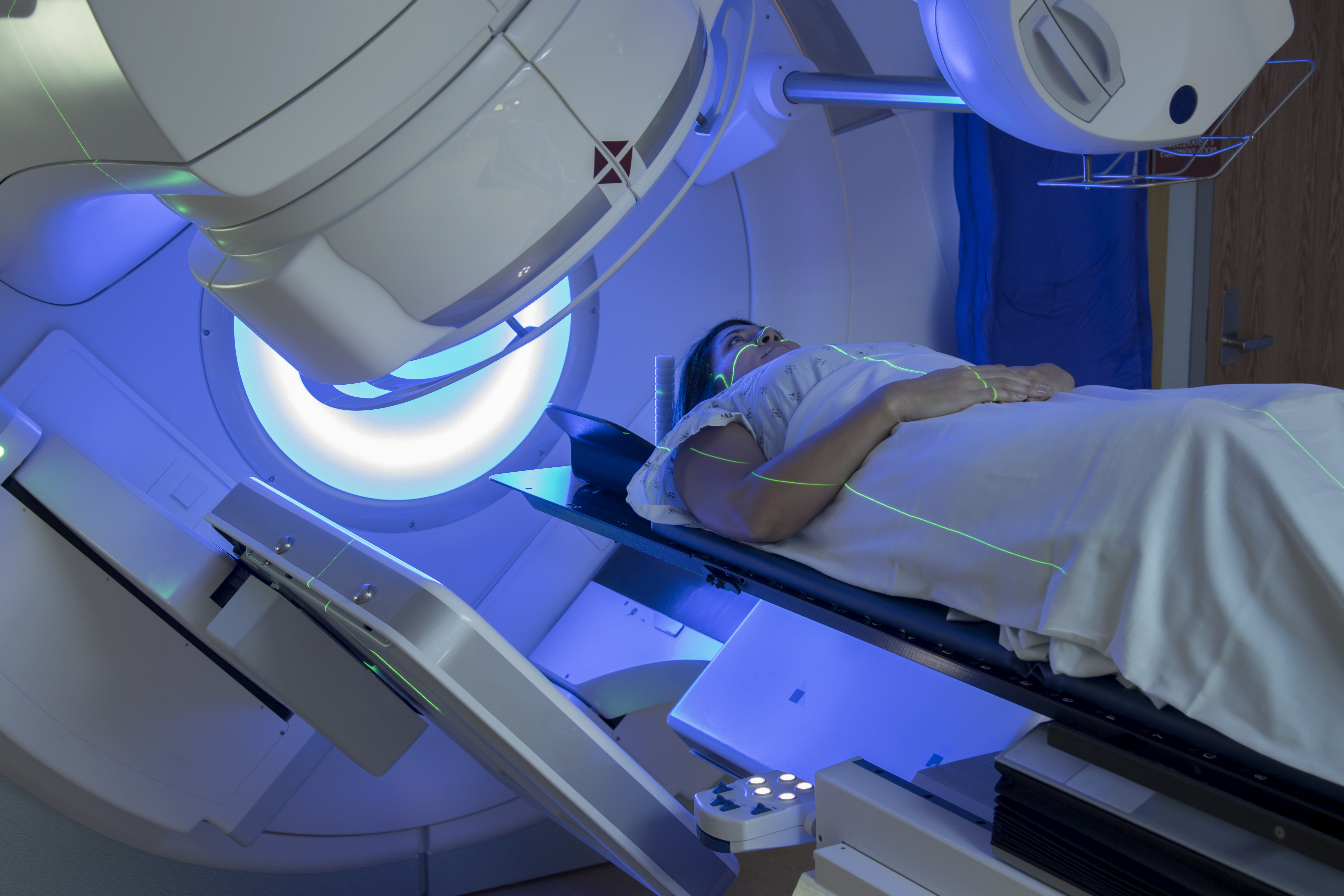


Minimal radiation offers maximum information
Nuclear medicine offers people living with advanced conditions a 3-for-1 benefit — not only does nuclear medicine give us a clear picture of your organs but it also identifies how well they're working and what needs to be treated.
Nuclear medicine is as safe as it gets. Your radiologist will use the minimum radiation necessary (usually similar to the amount you're exposed to during an X-ray) to evaluate how parts of your body react to radiation.
Find a doctor near me

Conditions
Nuclear medicine is used to detect, diagnose and treat a variety of diseases. It allows us to examine and evaluate:
Arthritis
Bowel bleeding
Brain abnormalities
Cancer
Coronary artery blood flow
Coronary artery disease
Fractures
Gallbladder blockage
Infection
Infections, respiratory and blood flow problems in the lungs
Kidney function
Thyroid function
Tumors in bones

Testing
Nuclear medicine uses a radioactive material called a radiotracer to illuminate your insides. Depending on what we’re evaluating, the radiotracer will be injected into a vein, swallowed or inhaled as a gas.
The radiotracer helps visualize your insides by latching onto proteins in an affected area. We use a special camera or imaging device that produces pictures and provides information at a molecular level.
By understanding your health at a molecular level, we can diagnose serious conditions before they progress and pinpoint treatment to where it’ll be most effective.
Related services + treatments
Department of Radiology
Academic Department
Our radiologists are helping clinicians see beyond what’s visible through advanced imaging, innovative research and expert education, delivering the diagnostic insights that drive exceptional patient care.