Care for children with arthritis, autoimmune disorders and other rheumatology conditions focuses on managing symptoms, supporting growth and helping kids enjoy daily life. Every child can feel stronger, stay active and take part in the activities they love.
Pediatrics
Rheumatology (Pediatrics)
This page is for our littlest patients.
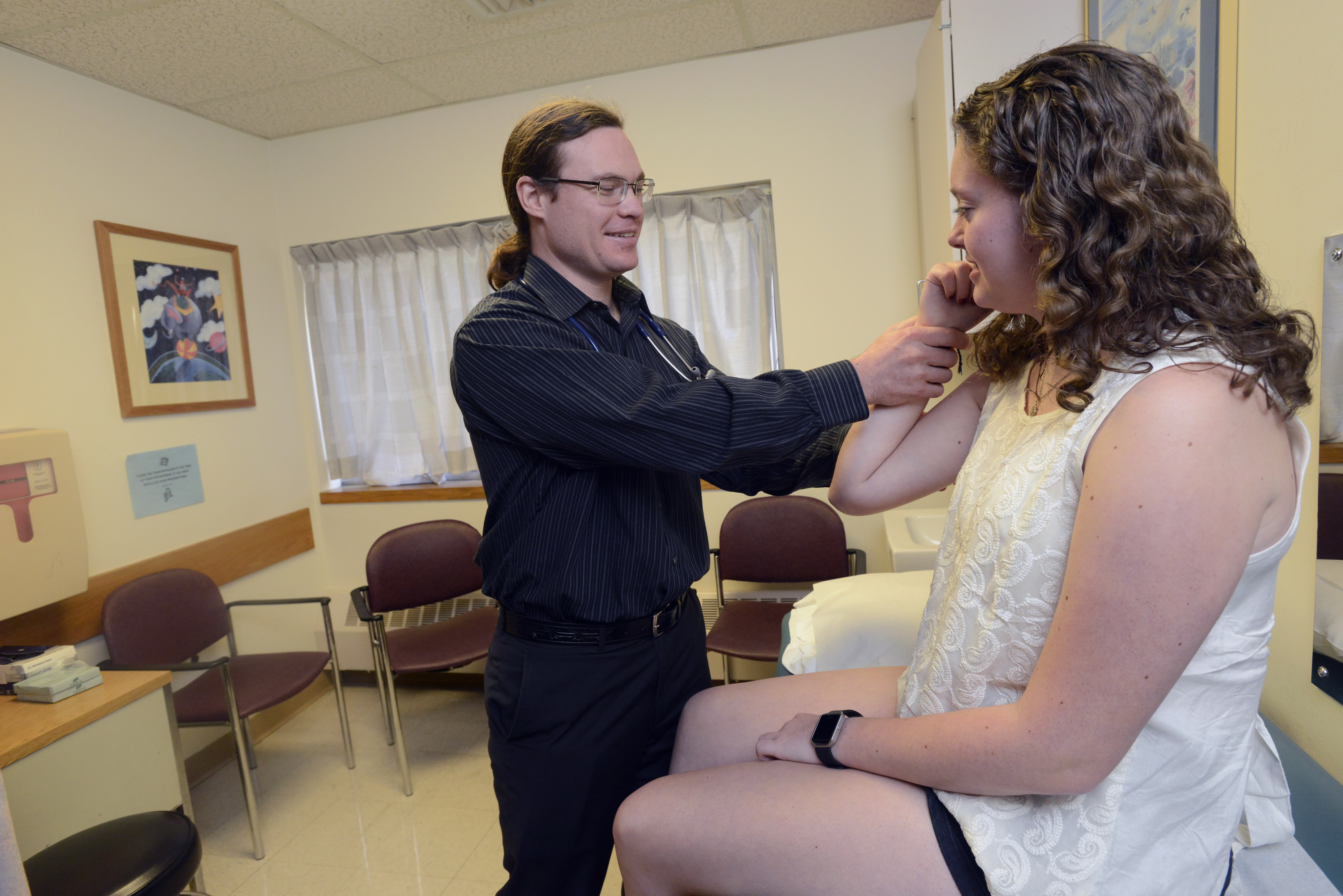


Stronger joints, bigger smiles
Every child deserves to run, play and keep up with school and friends. For kids with juvenile arthritis, lupus or other autoimmune conditions, pain, swelling, stiffness or tiredness can make everyday activities harder. With the right care, children can stay active, feel stronger and enjoy the activities they love.
Keeping track of symptoms, managing flare-ups and supporting healthy habits at home and at school can make daily life easier. Safe ways to stay active and protect joints help children keep having fun while supporting growth and mobility.
Every child is different. Pediatric rheumatology care is designed for each child’s age, needs and lifestyle. Our goal is to help children live fully, stay confident and grow healthy while managing arthritis and other rheumatology conditions.
Find a doctor near me

Conditions
Children can develop rheumatology conditions that affect their joints, muscles or immune system. Symptoms may include swelling, pain, stiffness, fatigue or rashes. Every child experiences these conditions differently, and early care helps them stay active, strong and confident.
- Fibromyalgia and amplified musculoskeletal pain: Ongoing muscle and soft tissue pain with fatigue. Gentle exercises, pacing daily activities and targeted care help children feel more comfortable and stay active.
- Juvenile dermatomyositis: Causes muscle weakness and skin rashes. Strength-building exercises and treatment help children regain energy and keep participating in activities they enjoy.
- Juvenile idiopathic arthritis (JIA): Causes swelling, stiffness or pain in the joints. Proper care helps children keep their joints strong and continue moving and playing.
- Lupus (systemic lupus erythematosus): An autoimmune condition that can affect joints, skin and sometimes organs. Managing symptoms helps children reduce flare-ups and enjoy daily life.
- PANDAS (Pediatric Autoimmune Neuropsychiatric Disorders Associated with Streptococcal infections): Caused when a streptococcal (strep) infection triggers an abnormal immune response that impacts that brain. This results in the sudden onset of obsessive-compulsive disorder (OCD), tics or other neuropsychiatric symptoms in children.
- Vasculitis: Inflammation of blood vessels that can affect different parts of the body. Early care prevents complications and keeps children moving comfortably.
- Other autoimmune or musculoskeletal conditions: Conditions such as tendonitis, joint pain or swelling. Care focuses on reducing discomfort, maintaining mobility and supporting healthy growth.
Every child’s experience with rheumatology conditions is unique. With the right care, children can manage symptoms, stay active, build strength and continue enjoying the activities they love. Early recognition and treatment help children grow healthy and confident while living full, active lives.

Testing
Understanding what is causing symptoms is the first step in helping children feel better, stay active and grow strong. Children with joint pain, stiffness, swelling, rashes or fatigue may need tests to see what is happening in their joints, muscles or immune system. Testing helps families understand the condition, guide treatment and ensure care fits each child’s needs.
- Bloodwork: Checks for inflammation, immune system activity or other changes in the body that help guide treatment.
- CT (Computed Tomography): Provides detailed cross-sectional images of bones and soft tissues for complex cases.
- Echocardiogram: Uses sound waves to look at the heart and how well it is working, important if autoimmune conditions may affect the heart.
- EKG (Electrocardiogram): Records the heart’s electrical activity to check for rhythm changes.
- MRI (Magnetic Resonance Imaging): Gives detailed images of bones, joints, muscles and soft tissues to identify inflammation or changes not visible on X-rays.
- Pulmonary Function Testing: Measures how well the lungs are working, useful if breathing or lung involvement is suspected.
- Ultrasound: Uses sound waves to create images of joints, muscles and soft tissues to see swelling or inflammation.
- Urine testing: Can detect signs of kidney involvement, which is important for some autoimmune conditions.
- X-ray: A simple imaging test that shows bones and joints to check for changes or damage.
With the right tests, families can better understand what is happening, guide treatment and support children in staying active, strong and enjoying daily life.

Treatments
Treating pediatric rheumatology conditions is about helping children feel better, stay active and continue growing strong. Care is tailored to each child’s condition, age and daily life, combining medicine, safe activity and sometimes procedures to relieve pain. Families play an important role in managing symptoms, recognizing flare-ups and supporting school and home routines. Regular check-ins make sure treatment keeps up with each child’s growth and changing needs.
Some treatments may include:
- Family support and education: Guidance on managing flare-ups, tracking symptoms and supporting school and home routines.
- Lifestyle and activity guidance: Safe ways to stay active, exercise and protect joints while maintaining strength and mobility.
- Medications: Reduce inflammation, control symptoms and prevent flare-ups. Common types include anti-inflammatories, disease-modifying drugs, prescription oral medications, prescription subcutaneous injections and prescription IV medications.
- Physical therapy: Exercises and activities to maintain strength, flexibility and mobility.
- Ongoing monitoring: Regular check-ins to track symptoms, adjust treatments and support healthy growth.
- Over-the-counter medicines: To help with pain and inflammation.
- Procedures: Joint injections or other minimally invasive treatments to ease pain and swelling.
Getting ready for adult care
As children get older, we help prepare for adult rheumatology care. Our goal is to make the process easy and comfortable.
We make sure the new specialist has all medical history and help schedule the first appointment if needed. We continue to guide, follow the journey and provide support every step of the way. Children and families are never on their own—we’re always here to help.

FAQs
Who should see a pediatric rheumatologist?
Children with joint pain, stiffness, swelling, rashes or fatigue may benefit from a pediatric rheumatology evaluation. Often, the child’s primary care doctor or pediatrician is the first step in identifying symptoms and making a referral to a specialist. Early care helps manage symptoms, prevent complications and support healthy growth and activity.
What is a flare-up?
A flare-up is when symptoms like joint pain, swelling, stiffness or fatigue get worse for a period of time. Flare-ups are common in conditions like juvenile arthritis or lupus. Families can contact their child’s primary care doctor or pediatrician if a flare is sudden or severe to get guidance on next steps. Recognizing a flare early helps children stay active and comfortable.
How is a pediatric rheumatology condition diagnosed?
Diagnosis may include reviewing medical history, a physical exam, blood tests, imaging or joint fluid analysis. Primary care doctors and pediatricians often help coordinate testing and referrals. These tests help families understand the condition and guide care that fits the child’s needs and daily life.
Can pediatric rheumatology conditions be prevented?
Many conditions cannot be fully prevented but early recognition and treatment reduce long-term effects. Primary care doctors and pediatricians play an important role in monitoring growth, development and early warning signs. Healthy habits like staying active, eating well and following the care plan support overall well-being.
What treatments are available?
Treatment may include medications, lifestyle guidance, joint injections and ongoing monitoring. Primary care doctors or pediatricians often help track overall health and coordinate care with specialists. Every plan is tailored to each child’s age, condition and daily life. The goal is to reduce symptoms, protect joints and keep children active, strong and confident.
Why choose Tufts Medicine for pediatric rheumatology care?
Tufts Medicine provides expert pediatric rheumatology care with a focus on helping children stay active, manage symptoms and grow strong. Families have access to comprehensive testing, personalized treatment plans and ongoing guidance to support school, play and daily life. Tufts Medicine works closely with primary care doctors and pediatricians to provide coordinated care for children with juvenile arthritis, lupus and other pediatric autoimmune conditions.
How can families help at home and school?
Tracking symptoms, encouraging safe activity and keeping routines consistent help children feel strong and confident. Families can share observations with their primary care doctor or pediatrician to help guide treatment. Tufts Medicine also provides support and resources to manage flare-ups, track progress and make daily life smoother.
Related services + treatments