Neuroanesthesia is a type of anesthesia that gently places you into a pain-free, unconscious sleep during brain or spine surgery. A neuroanesthesiologist is by your side before, during and after surgery to ensure you’re in the safest hands possible.
Neuroanesthesia
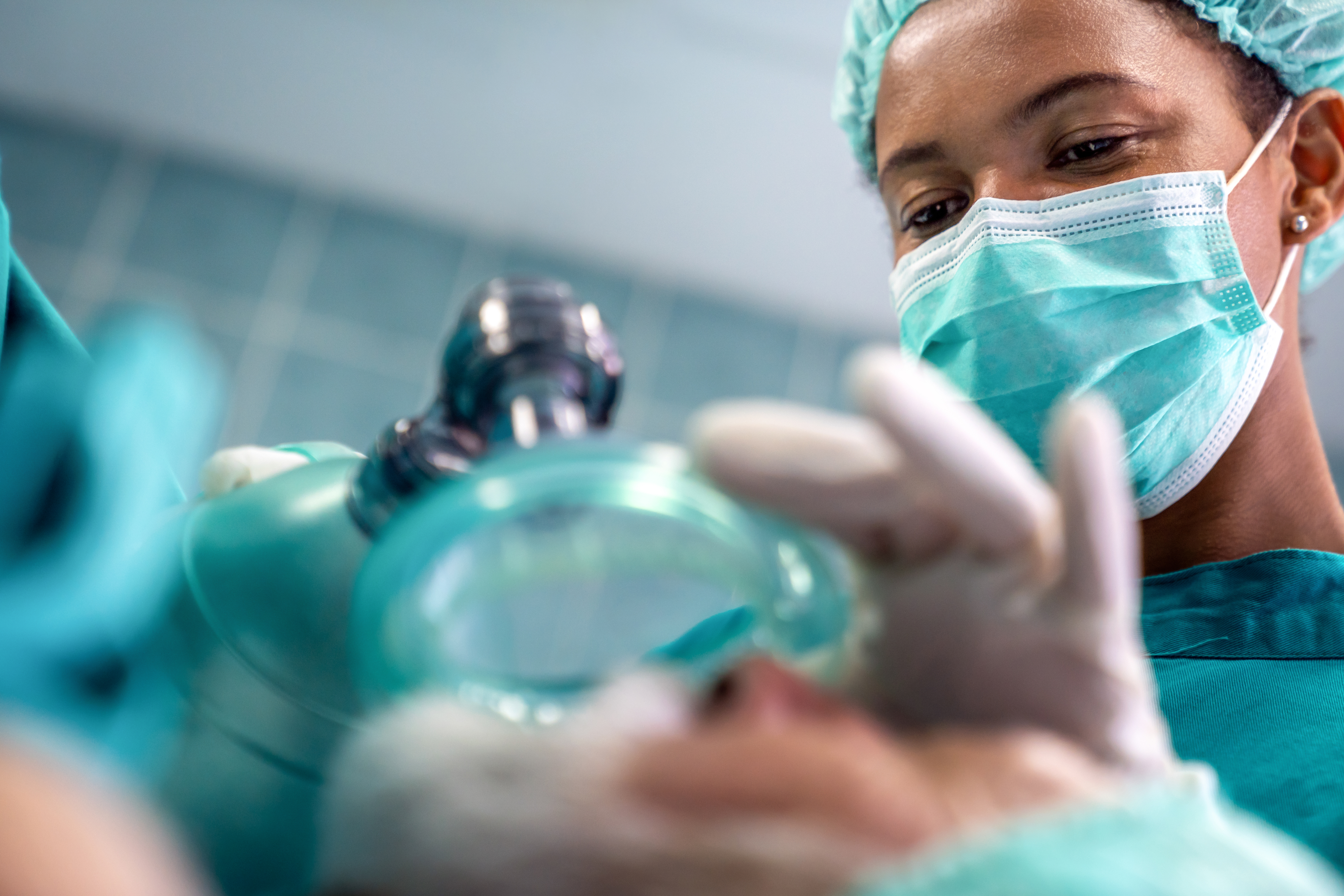


Peace of mind with top-ranked neurology care
Your brain is your body’s most vital organ, sending the signals that allow you to live life as you know it. It gives you movement to dance and the capacity to feel emotions. And it’s the same organ that may make you feel nervous about undergoing brain or spinal surgery.
Our neuroanesthesiologists work hand-in-hand with neurologists, neurosurgeons, neurointensivists and neurophysiologic monitoring personnel every step of the way to ensure you’re receiving the best quality of care.
Find a doctor near me

Conditions
Some of the most common procedures that use neuroanesthesia include:
- Aneurysm surgery
- Arteriovenous malformation surgery
- Brain tumor surgery
- Epilepsy surgery
- Spine surgery (from common disc herniations to the most complex spine deformities)
If you're scheduled for an upcoming brain or spinal system surgery, we'll cover a few bases before the big day with a preoperative assessment. During this evaluation, we'll:
- Identify and address any issues or risks that may affect your surgery or recovery.
- Provide a relaxed space that encourages you to ask questions or discuss concerns about your surgery.

Treatments
Throughout surgery, your neuroanesthesiologist will constantly monitor your key vitals during surgery (like blood flow and oxygen levels) and adjust your medication as needed. They’ll also ensure you’re in a comfortable, unconscious sleep until the surgery is complete.
After your surgery, the neuroanesthesiologist will continue to monitor you throughout your immediate and longer-term recovery.

FAQs
What safety standards does Tufts Medicine follow for anesthesia?
The American Society of Anesthesiologists has developed national standards to enhance the safety and quality of anesthesia so that you’re in the safest hands possible.
Here are a few standards that are already used today:
- Patient care before surgery
- Basic methods of monitoring patients during surgery
- Patient care during recovery
- Conduction anesthesia in obstetrics
Your safety always comes first. The combination of today’s standards, monitoring approaches, anesthesia equipment and medications is making anesthesia safer than ever before.
Related services + treatments
Department of Anesthesiology + Perioperative Medicine
Academic Department
Working behind the scenes and at the center of patient care, our anesthesiology and perioperative medicine specialists partner with nearly every specialty to advance safer surgery, innovative research and exceptional training across the continuum of care.
